


By Eva Irewole
The Yoruba culture and performing arts community has recorded another loss in August.
Chief Alabi Ogundepo, the legendary actor widely known across South-West Nigeria for his exceptional mastery of traditional poetry, especially Ìjálá, the hunters’ chant, passed away on Monday, August 24, 2026. He was 84 years old.
Also read: Lagos And California Enter Sister-State Partnership With Global Ambitions
The deceased’s daughter, Mrs Dupe Ogundepo-Falana, in a statement signed on behalf of the family, confirmed that the celebrated cultural icon died in the early hours of that Monday.
His death was also confirmed by the Baptist Church in Saki, Oyo State, where he had been a member for many years.
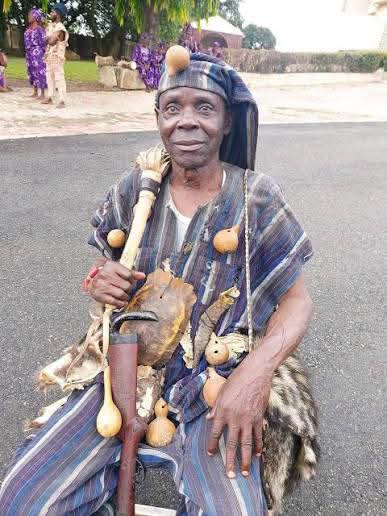
The family described Ogundepo as “a remarkable literary voice whose poetry and writings reflected his deep appreciation of Yoruba culture, tradition, language, history, and the human experience.”
They also expressed gratitude to individuals, institutions, traditional leaders, and literary communities who have reached out with condolences and support.
Ogundepo was born in Saki, Oyo State, and rose to prominence as one of the most distinguished voices in Yoruba oral literature and performance poetry.
His mastery of Ìjálá chants and his literary works reflected a profound appreciation of Yoruba culture, language, and history, making him a revered figure in the preservation of indigenous traditions.
He was a cultural enthusiast, community leader, and mentor whose counsel and friendship touched many lives. His presence commanded respect, and his words often inspired reflection on the Yoruba people’s shared heritage.
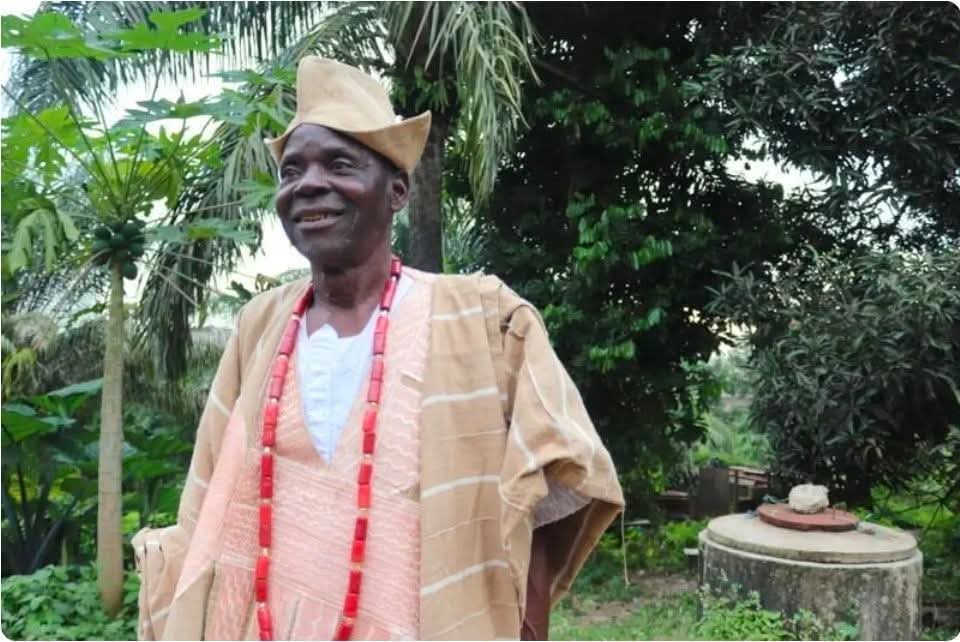
Born in 1943 into a family of Ìjálá poets, his parents, Fatokun and Ogunrinola, were both practitioners of the art. Young Alabi learned the tradition by observing and imitating his parents and older siblings.
He began performing publicly as a child, reportedly serving as a curtain-raiser for older performers and appearing at school events between 1953 and 1959.
Over the decades, he transformed the traditional hunters’ chant into a professional performance art, appearing on radio, television, stage productions, audio recordings, and films.
Ogundepo became especially renowned for using Ìjálá not only to celebrate hunters and Ògún (the god of iron), but also to educate, critique social ills, offer moral guidance, and preserve Yoruba history and philosophy.
Academic research on his work identified strong moral, educational, and philosophical themes in his chants.
His recordings date back to the early 1970s, when several of his *Ìjálá* performances were documented in the University of Ibadan’s Digital Archive of Sound and Vision. He also recorded extensively from the 1980s, experimenting with musical accompaniment and adapting *Ìjálá* to appeal to modern audiences.
Also read: Lagos And California Enter Sister-State Partnership With Global Ambitions
Ogundepo was widely regarded as a legendary figure in Yoruba oral poetry and remained an important custodian of Yoruba cultural heritage for several decades.


