


When King Sunny Ade turns 80, Nigeria reflects on the life of the man who took Juju music from local dance halls to global stages.
By Olayinka Akanbi
When we talk about Nigerian music today, the conversation often centres on Afrobeats, streaming numbers and sold-out arenas.
Also read: TIME Names Olugbile Holloway Among 100 Shaping Global Art
Yet, long before Nigerian artists became global superstars, there was a musician who carried Nigerian music beyond the country’s borders and introduced international audiences to the sounds, language and traditions of the Yoruba people.
That musician is King Sunny Ade.
As he turned 80 on September 22, 2026, the milestone offered an opportunity not only to celebrate a remarkable life but also to reflect on the journey of a man whose career mirrors the evolution of Nigerian popular music itself.
Born Sunday Adeniyi Adegeye in 1946, KSA grew up in a family with royal roots connected to Ondo and Akure. Music was also present in his early life.
His father worked as a church organist, while the traditions, ceremonies and storytelling that surrounded Yoruba culture exposed him to rhythms and sounds that would later shape his career.
As a young man, however, music was not necessarily the path expected of him. Like many young Nigerians of his generation, formal education appeared to be the safer route.
But the pull of music proved stronger.
He eventually left home for Lagos, then the country’s cultural and commercial centre, where musicians, performers and entertainers were building new sounds and careers.
In Lagos, he joined Moses Olaiya’s Federal Rhythm Dandies, a popular highlife band of the period.
The experience gave him practical exposure to live performance, band management and the realities of the entertainment business.
But KSA was not content with simply being part of someone else’s band. In 1967, he formed his own group, the Green Spots, which later became known as the African Beats.
The timing was important. Nigerian music was changing, and Juju music itself was evolving.
Earlier pioneers such as I.K. Dairo, Tunde Nightingale and Ebenezer Obey had already established the genre’s foundations.
KSA entered the scene not as a creator of Juju music, but as one of the musicians who would push it in new directions.
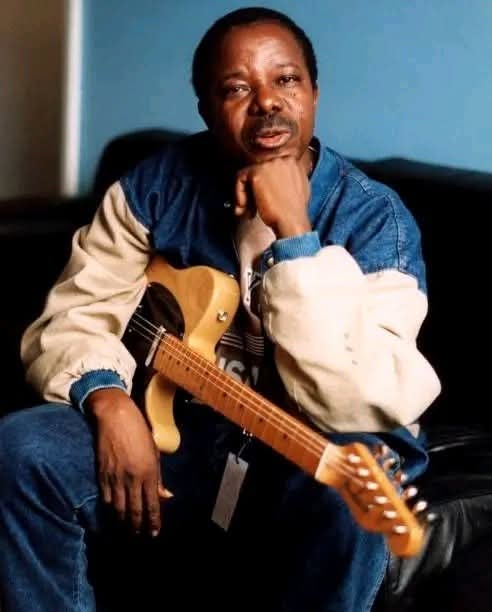
Through the 1970s, he steadily built a loyal following across Nigeria. His records became popular, but it was his live performances that truly set him apart.
KSA experimented with larger bands, multiple guitarists, talking drums, percussion sections and coordinated stage movement.
He gradually transformed Juju concerts from simple music performances into full entertainment experiences.
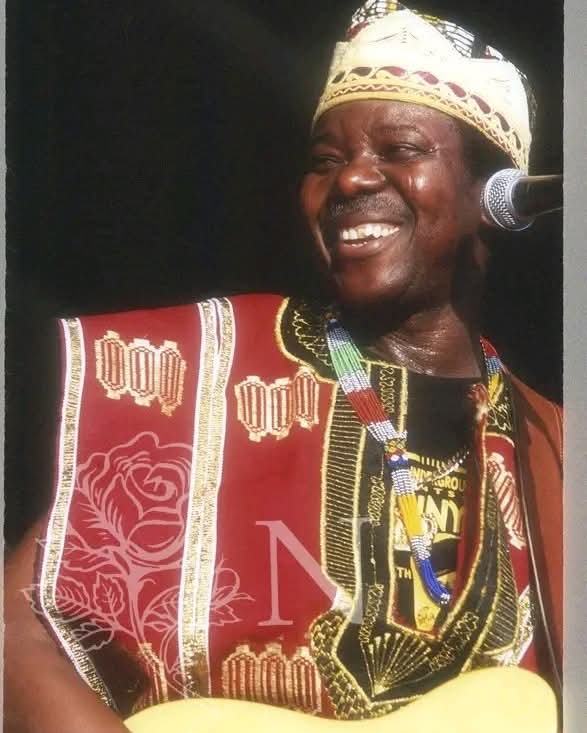
By the late 1970s, he had become widely known as the “King of Juju.” Yet his success was not built solely on catchy songs.
He was constantly refining the sound of Juju music, blending Yoruba percussion traditions with electric guitars, synthesizers and new recording techniques.
The result was music that remained rooted in local culture while appealing to wider audiences.
The next chapter of his career would take him far beyond Nigeria.
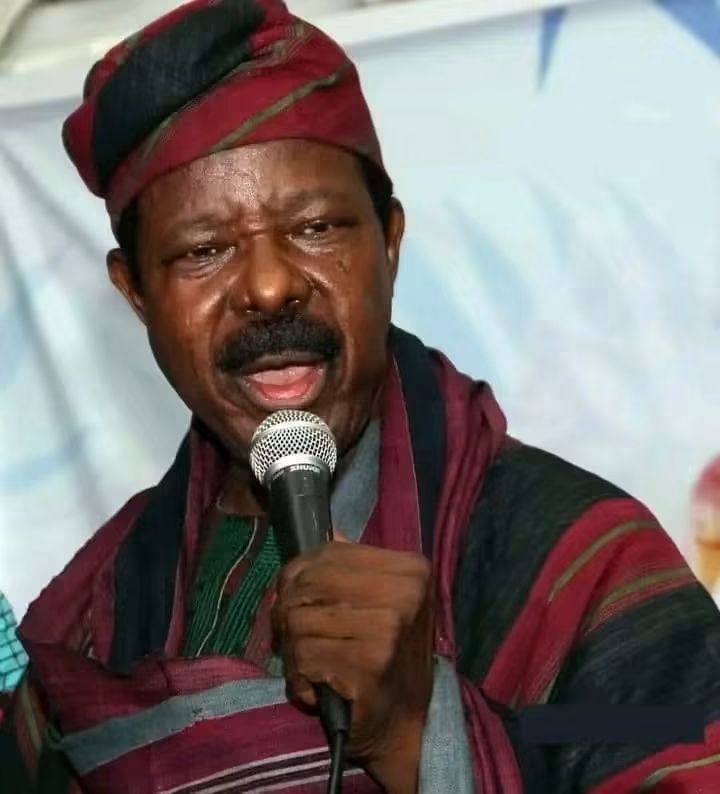
In 1982, KSA signed with Island Records, becoming one of the first Nigerian musicians to receive significant international backing from a major label.
That same year, the album Juju Music introduced many listeners outside Africa to his sound.
A year later, Synchro System expanded that audience even further.
These albums arrived at a period when international audiences were becoming increasingly interested in music from outside Europe and North America.

KSA’s music stood out because it was unapologetically Nigerian.
He continued to sing largely in Yoruba, retained traditional instruments and rhythms, and resisted pressure to completely reinvent himself for foreign audiences.
The approach worked. His international tours attracted attention across Europe and North America.
He performed on stages where few Nigerian musicians had appeared before and earned recognition as one of Africa’s leading musical ambassadors.
Importantly, his success demonstrated that African music could travel globally without losing its cultural identity.
KSA also made history when he received a Grammy nomination for Synchro System, becoming the first Nigerian artist to achieve that distinction.
A second Grammy nomination followed years later for his 1998 album Odu.
Back home, his influence continued to grow.
He established his own record label, giving him greater control over his music and business affairs at a time when many musicians depended heavily on record companies.
He also played important roles in music administration and copyright advocacy, helping to advance conversations around the rights and welfare of musicians.
As newer genres emerged, KSA remained relevant. He did not compete with younger artists by trying to sound like them.
Instead, he focused on preserving his identity while allowing his music to evolve naturally. This helped him maintain a presence across different generations of listeners.
Today, traces of his influence can still be found throughout Nigerian music.
Many contemporary artists borrow from the layered percussion, guitar arrangements and performance style that he helped popularise.
Even as Afrobeats dominates global conversations, elements of the musical foundation laid by KSA remain visible in modern Nigerian popular music.
At 80, KSA’s story is the story of a musician and his sojourn as a custodian of Nigerian-originated sound from local dance halls and community celebrations to international stages and global audiences.
Also read: TIME Names Olugbile Holloway Among 100 Shaping Global Art
This is why, eight decades after his birth and more than sixty years after he began performing professionally, King Sunny Ade remains one of the most important figures in the history of Nigerian music.


