


By Olayinka Akanbi
Discover how Femi Osofisan’s Legacy continues to influence African theatre through groundbreaking plays, teaching and fearless social commentary
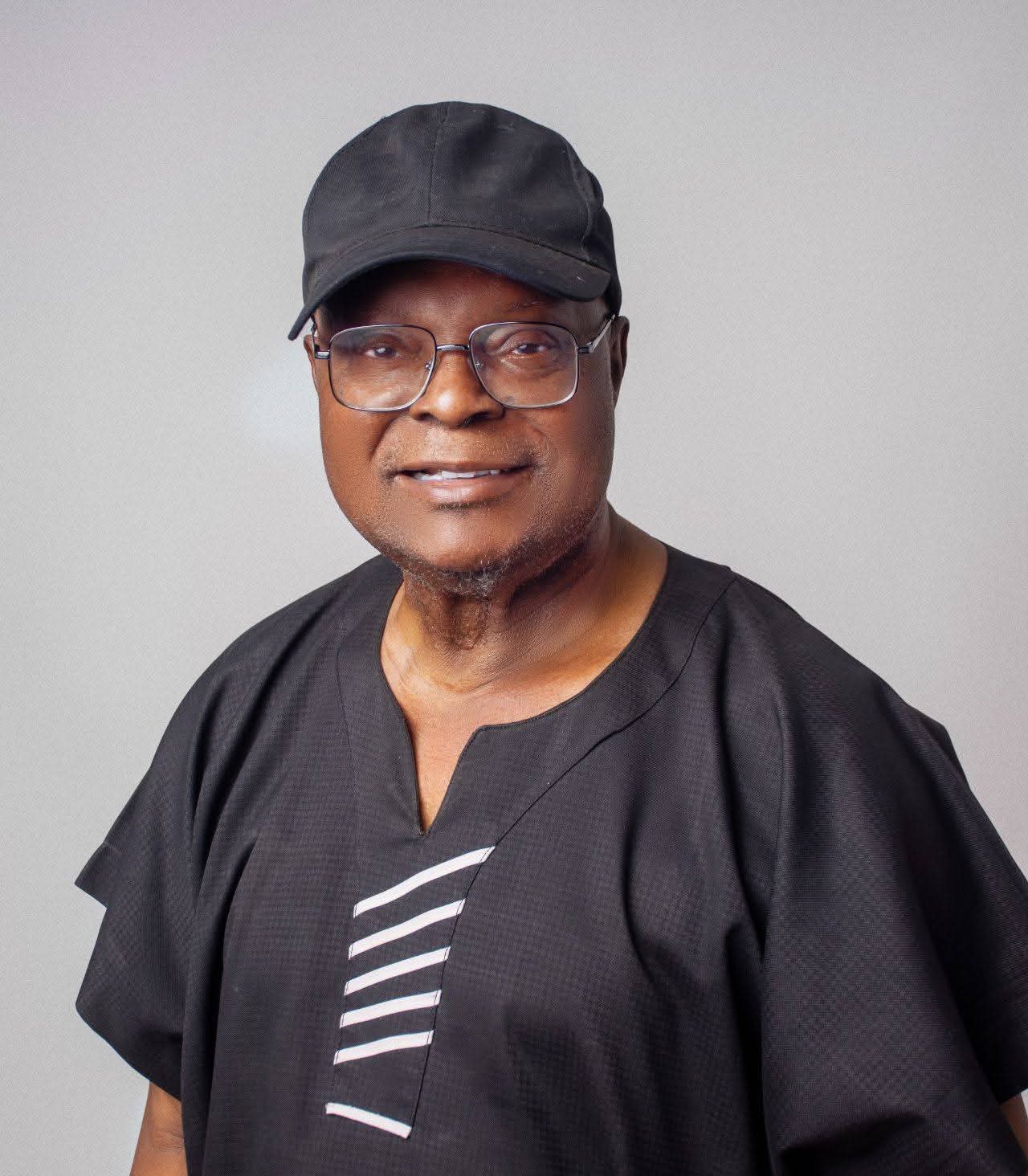
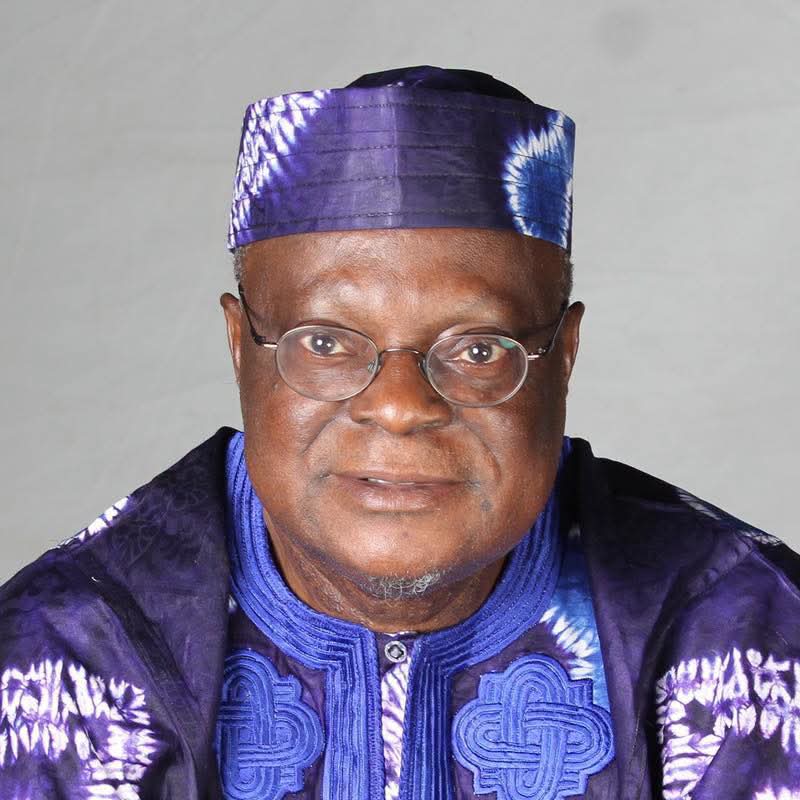
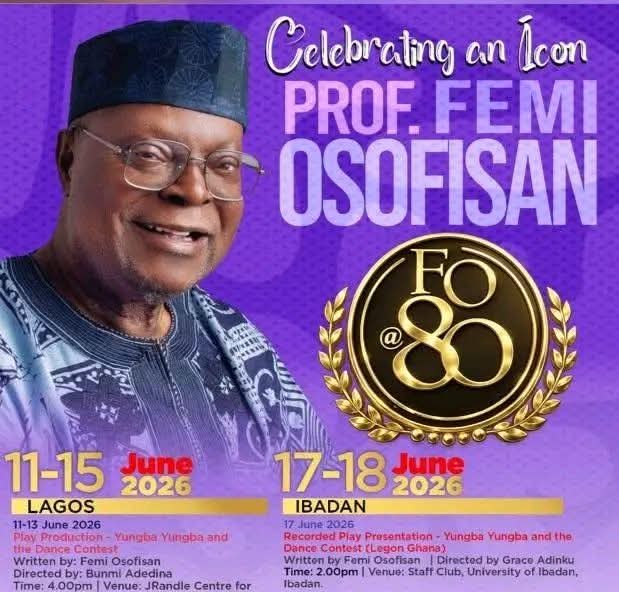
Few figures have shaped modern African theatre as profoundly as Professor Femi Osofisan.
For over five decades, the playwright, poet, critic, translator and teacher has used literature as an instrument of social awakening, challenging audiences to question power, rethink history and imagine more just societies.
Also read: Jide Kosoko Reawakens A Historic Epic With Eleko
His legacy is not merely that of an accomplished dramatist, but of a public intellectual who has consistently insisted that art must speak to the realities of its people.
Born Babafemi Adeyemi Osofisan on 16 June 1946 in Erunwon, near Ijebu-Ode in Ogun State, Nigeria, Osofisan grew up in a period that would later define much of his creative imagination.
Raised in a culturally rich Yoruba environment, he developed an early appreciation for folklore, oral traditions and communal storytelling, elements that would become the lifeblood of his dramatic works.
His academic journey reflected an equally insatiable appetite for knowledge. He attended Government College, Ibadan, before proceeding to the University of Ibadan, where he studied French.
He later pursued postgraduate studies in France, broadening his engagement with European literature, philosophy and dramatic traditions.
Rather than abandon his African roots, however, Osofisan returned home with a determination to reinterpret global classics through African experiences and sensibilities.
That intellectual confidence would become the hallmark of his career. From the 1970s onward, Osofisan emerged as one of Nigeria’s most prolific playwrights, producing an extraordinary body of work that now exceeds sixty plays, alongside novels, poetry, translations and critical essays.
Works such as ‘Morountodun’, ‘Once Upon Four Robbers’, ‘Women of Owu’, ‘The Chattering and the Song’, and ‘Esu and the Vagabond Minstrels’ have become staples of African literary and theatre studies, celebrated for their bold political commentary and innovative storytelling.
Unlike many dramatists content to preserve tradition, Osofisan constantly reinvented it.
Drawing deeply from Yoruba mythology, music and performance while engaging with Greek classics and European drama, he demonstrated that African theatre could converse confidently with the wider world without losing its cultural identity.
His plays rarely offered simple heroes or convenient endings.
Instead, they invited audiences to interrogate authority, challenge injustice and confront uncomfortable truths about class, governance, violence and inequality.
Theatre, in Osofisan’s hands, became a democratic space where ordinary people could see their struggles reflected and their voices amplified.
Beyond his writing, Professor Osofisan devoted much of his life to teaching.
As a lecturer and later professor at the University of Ibadan, he mentored generations of students, many of whom have become distinguished scholars, playwrights, actors and cultural practitioners in their own right.
His classrooms were known not merely for literary analysis but for intellectual courage, encouraging students to think critically and engage fearlessly with society.
His contributions have earned him widespread recognition both at home and abroad.
His works have been translated into several languages and performed across Africa, Europe and North America, reinforcing his place among the continent’s most influential literary voices.
Yet what distinguishes Femi Osofisan is not simply the volume of his work or the honours he has received. It is the consistency of his convictions.
Across changing political eras, from military dictatorship to democratic governance, he remained steadfast in his belief that writers must speak truth to power and that literature must remain accountable to society.
Today, as Nigeria and the wider African continent continue to grapple with questions of identity, justice and nationhood, Osofisan’s writings remain strikingly relevant.
His dramas remind us that history is never fixed, that culture is always evolving, and that meaningful change begins when people dare to question inherited assumptions.
At 80, Professor Femi Osofisan has spent a lifetime proving that the stage is far more than a place of performance. It is a classroom, a courtroom, a parliament and, above all, a mirror held up to society.
As audiences continue to discover and rediscover his remarkable works, one truth becomes crystal clear:
Also read: When NFVCB Honoured Box Office Queens, Funke Akindele, Toyin Aimakhu, With Awards
long after the final curtain falls, the questions he asked and the courage with which he asked them will continue to shape African literature, theatre and public life for generations to come.


