


By Olayinka Akanbi
Lagos Fanti Carnival attracted thousands to Lagos Island as Afro-Brazilian heritage, music and culture took centre stage during the 2026 celebration
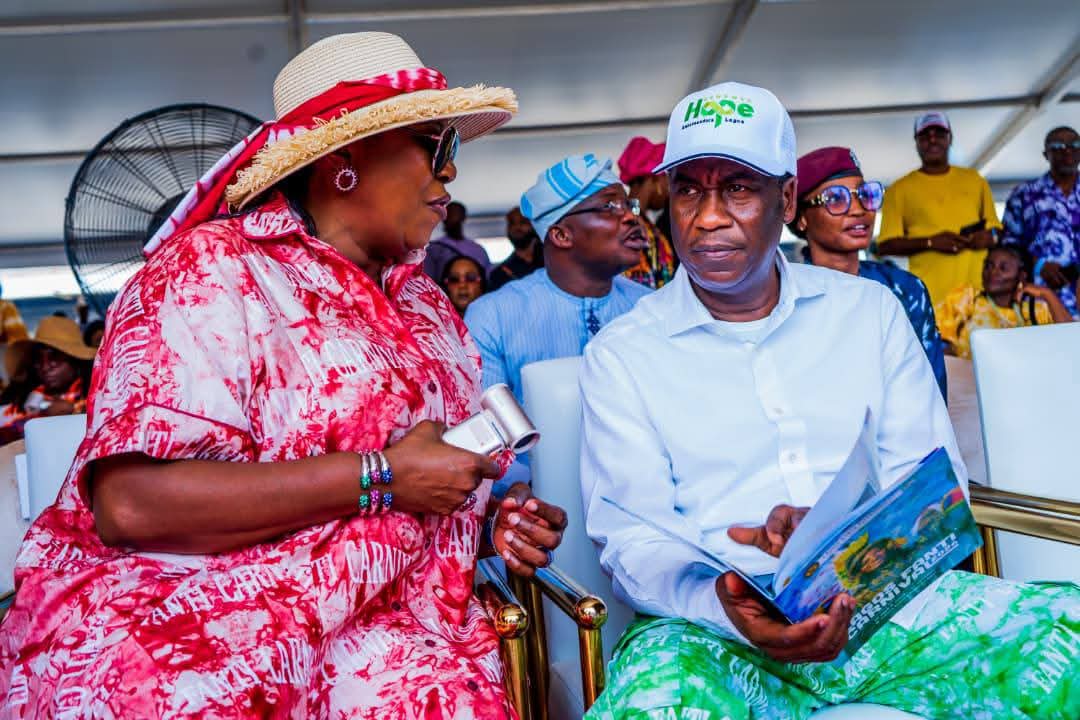
Thousands of revellers, tourists and culture enthusiasts converged on Lagos Island on Easter Monday as the 2026 Lagos Fanti Carnival transformed the city’s historic district into a vibrant showcase of Afro-Brazilian heritage.
Also read: How Egba Marked Annual Lisabi Festival With Grand Cultural Displays
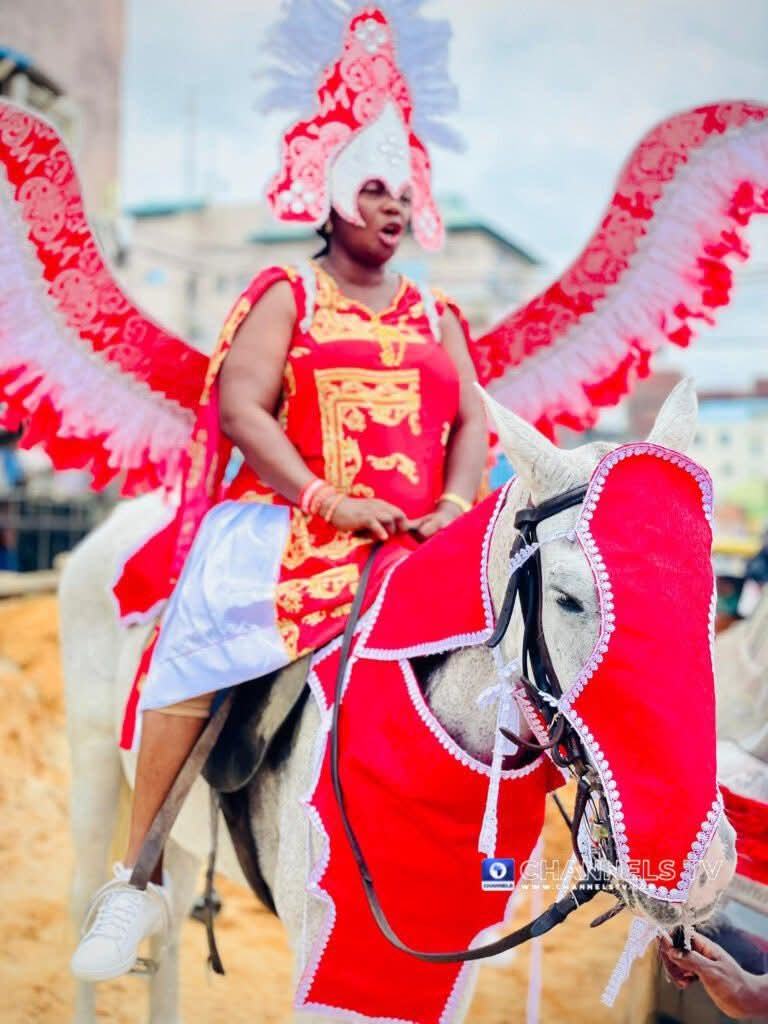
From Okepopo to Campos, colourful floats, brass bands, elaborately costumed dancers and traditional masquerades filled the streets before converging at Tafawa Balewa Square.
The annual procession, rooted in the traditions of the Afro-Brazilian returnees who settled in Lagos during the nineteenth century, once again attracted large crowds, including international visitors eager to experience one of West Africa’s oldest surviving carnivals.
This year’s edition arrived with heightened expectations. Months of planning culminated in what organisers described as a larger and more immersive celebration, with expanded cultural programming, live musical performances and increased participation from communities across Lagos Island.
The carnival, held under the theme “A Homecoming of Heritage,” was promoted as both a celebration of history and an investment in the future of Lagos’ creative economy.
Seven historic communities—Okepopo, Okoo-Faji, Epetedo, Isale-Eko, Lafiaji, Olowogbowo and Campos—led the procession, each presenting performances that reflected its unique history, occupation and cultural identity.
Floats depicting fishermen, market life, Afro-Brazilian architecture and community folklore underscored the diversity that has long characterised Lagos Island.
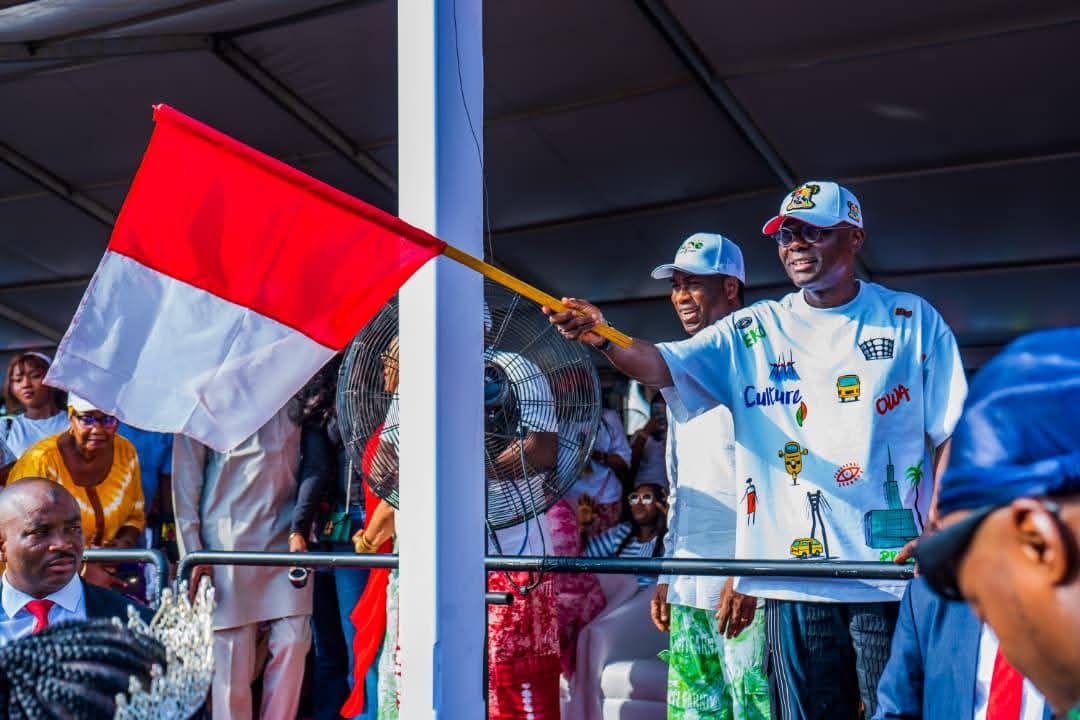
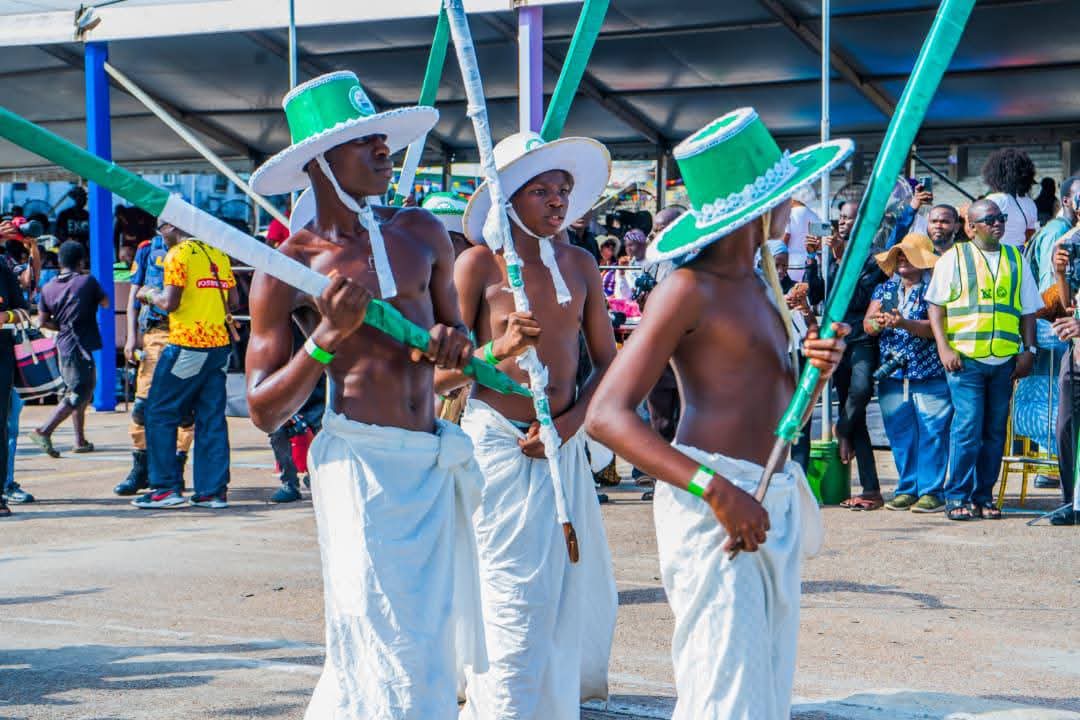
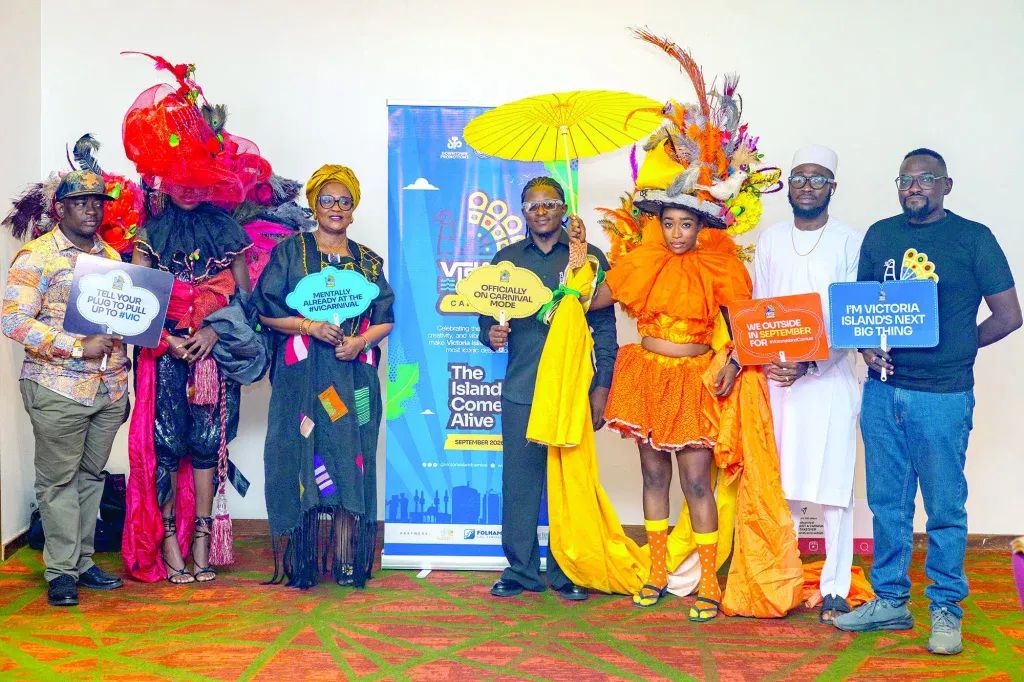
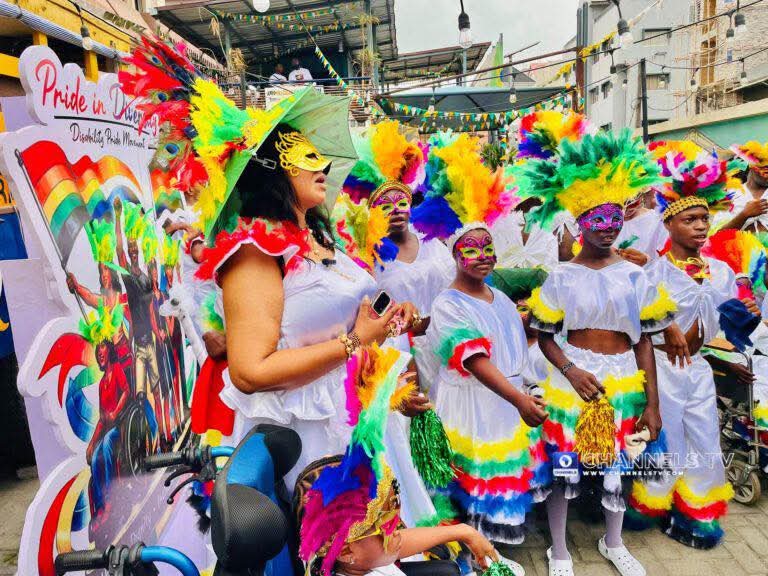
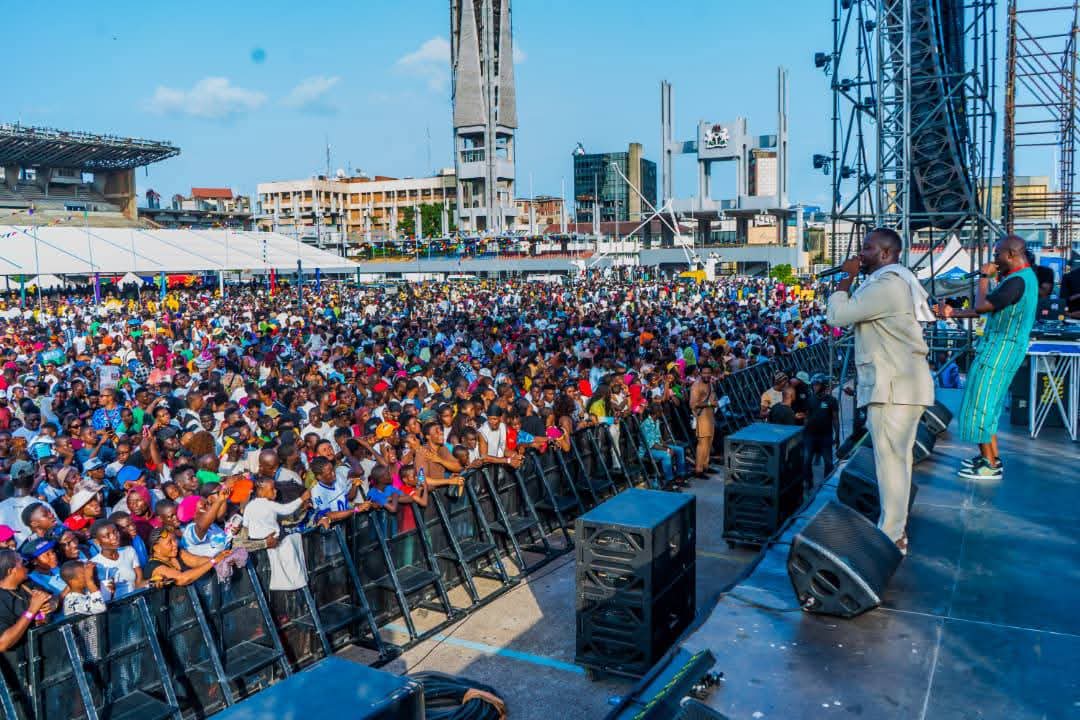
Entertainment remained central to the day’s activities. Nigerian artistes including Teni, Niniola, 9ice and Terry Apala thrilled audiences with live performances that extended the festivities beyond the traditional parade.
For the Lagos State Government, the carnival has evolved beyond a cultural celebration into an economic asset.
Ahead of the event, the government implemented traffic diversions across Lagos Island while urging residents to participate in what officials described as one of the state’s flagship tourism programmes.
According to the Ministry of Tourism, Arts and Culture, festivals such as the Fanti Carnival stimulate commerce by creating opportunities for artisans, performers, food vendors, transport operators and small businesses.
The Fanti Carnival’s uniqueness lies in its history. Unlike many cultural festivals rooted solely in indigenous traditions, the carnival emerged from the experiences of formerly enslaved Africans who returned from Brazil and other parts of the Americas during the nineteenth century.
Bringing with them music, architecture, religious customs and carnival traditions, these returnees, popularly known as the Aguda or Afro-Brazilians, helped shape the cosmopolitan identity that continues to define Lagos today.
That historical legacy remains visible in every procession. European-style brass bands perform alongside Yoruba talking drummers.
Feathered costumes share the streets with traditional attire, while Portuguese and Afro-Brazilian influences blend naturally with indigenous Yoruba expressions, creating a cultural experience unique to Lagos.
Also read: How Egba Marked Annual Lisabi Festival With Grand Cultural Displays
International visitors also featured prominently at the 2026 edition, reflecting the carnival’s growing profile among cultural tourists and members of the African diaspora.


