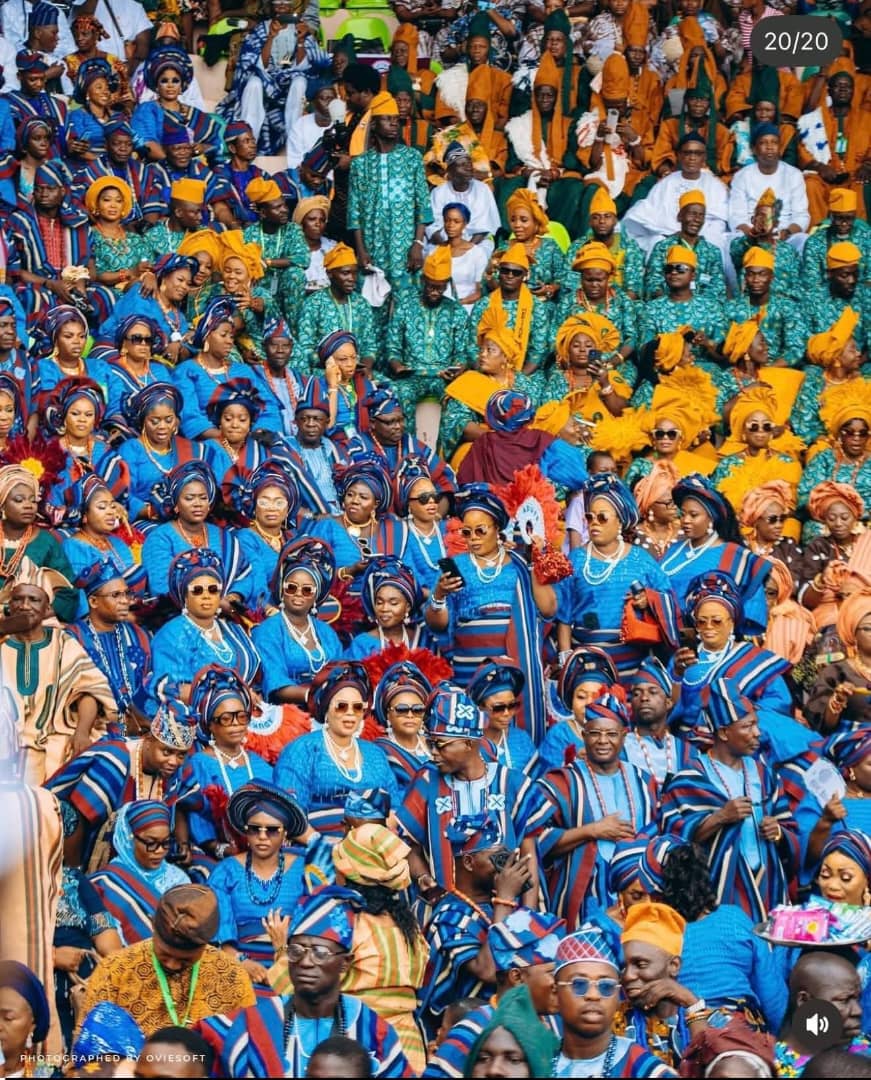
Lisabi Festival Abeokuta 2026 celebrates Egba heritage with cultural parades, rituals, and economic boost in honour of Lisabi Agbongbo Akala
By Olayinka Akanbi
Abeokuta, the storied city nestled ‘under the rock’, erupted into a symphony of culture and collective memory in March as the Egba tribe honoured its most revered hero: Lisabi Agbongbo Akala, the 18th‑century warrior who led the resistance that freed the Egba from the dominance of the Oyo Empire.
Also read: Black Brilliance Takes Centre Stage As ‘Sinners’ Shine At the Oscars
Lisabi’s legacy is woven deeply into Egba consciousness. Born in Itoku and residing in Igbein, he mobilized the Aaro age‑grade society to revolt against oppressive Oyo tribute collectors, ultimately securing the people’s independence between 1770 and 1780.
His disappearance into the sacred Igbo Lisabi forest is commemorated with solemn rites each year, reminding celebrants that heroes may vanish, but their spirits remain anchors of cultural identity.
Held from March 23 to March 29, 2026, the festival drew indigenes and global visitors into a colourful convergence of tradition and community pride.
It is in this forest that the festival begins each year. Elders and custodians of tradition gather to pour libations and offer prayers, summoning the presence of Lisabi.
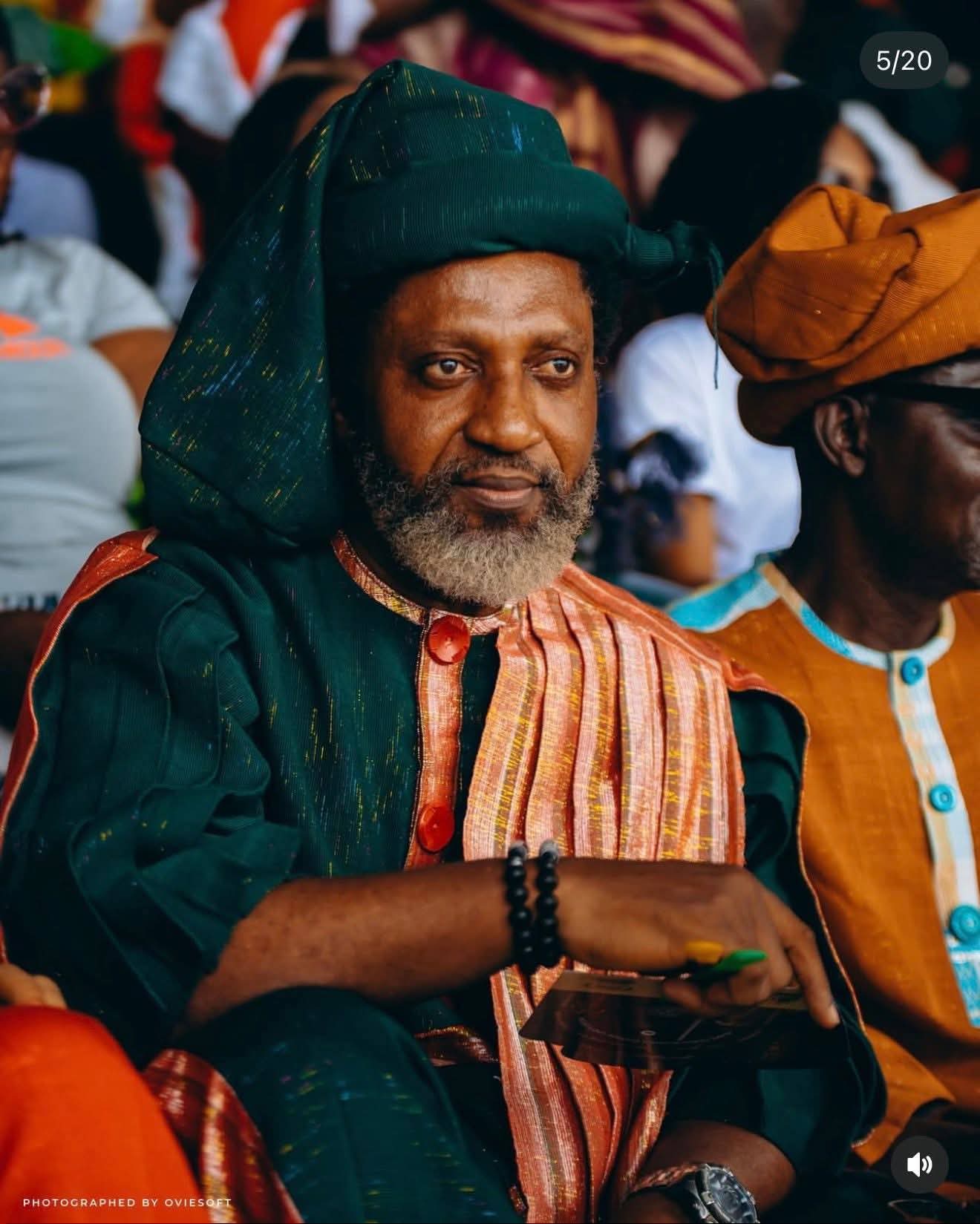
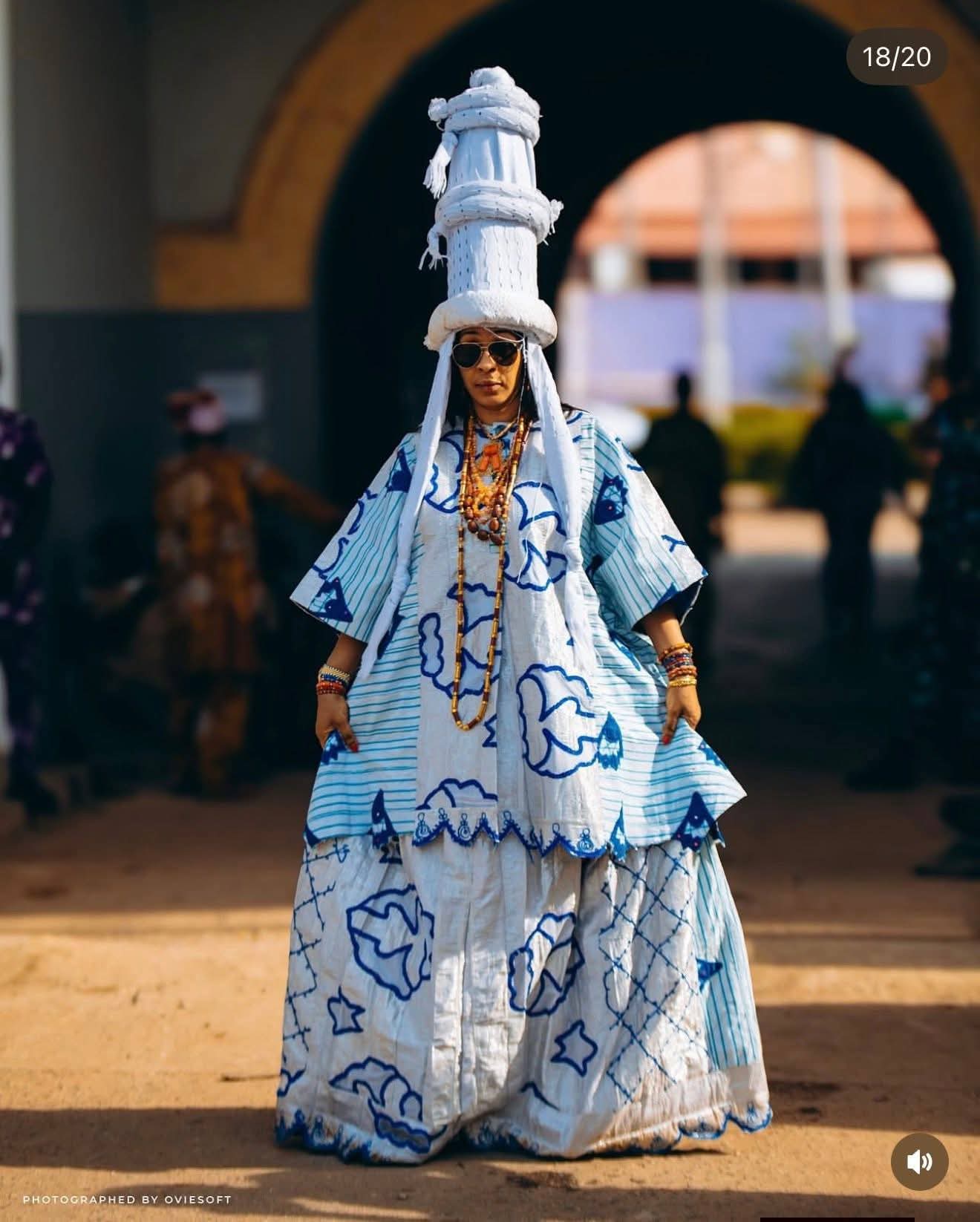
As the rituals conclude, Abeokuta awakens fully. Across the sprawling city, clans from Egba Ake, Gbagura, Oke‑Ona, and Owu begin their vibrant processions—each group draped in their distinctive fabrics, accompanied by talking drums, chants, and the swirling energy of masquerades.
By midweek, Abeokuta becomes a cultural theatre. Youth competitions, sporting events, and Aaro age‑grade parades energise the city, reinforcing the festival’s intergenerational mandate.
Community awards celebrate excellence at home and abroad, while development projects are commissioned to strengthen the social fabric.
In recent years, the festival has embraced a creative renaissance through Ègbáliganza, a theme introduced as a modern artistic response to ancient heritage.
The previous edition reframed the festival as a platform for global cultural visibility.
The Lisabi festival is also a major economic engine.
During the just-concluded edition, the city witnessed a significant influx of visitors from across Nigeria and the diaspora, resulting in fully booked hotels and a bustling market season.
Itoku Market, famed for Adire textiles, became a magnet for designers and tourists seeking authentic tie‑and‑dye fabrics at the source.
The surge in demand kept tailors, printers, artisans, and traders working at full tilt in the days leading up to the grand finale.
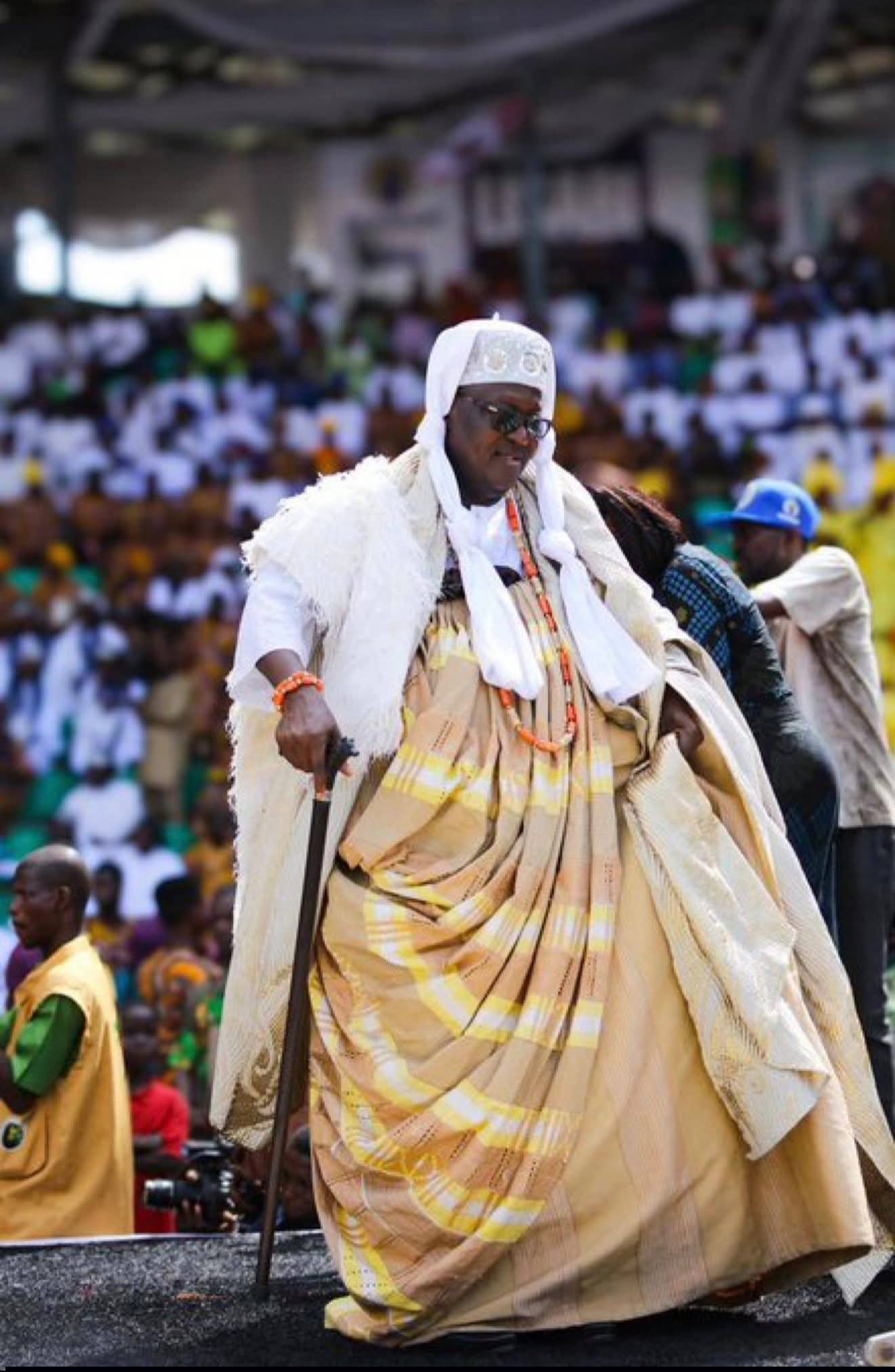
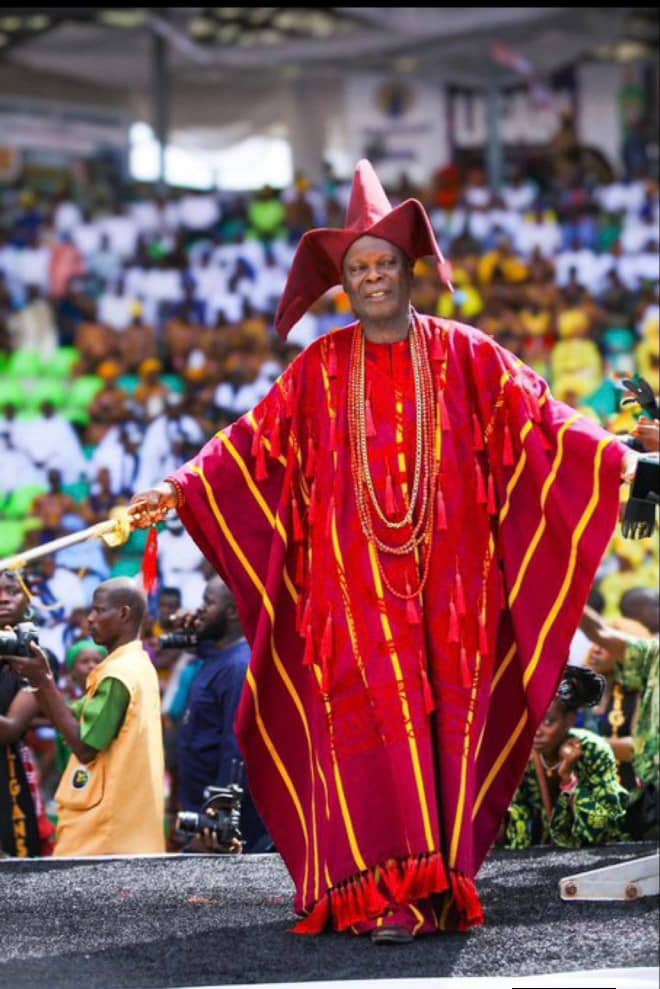
The celebration culminated in the grand finale at the Ake Palace on March 29, where the Egba community and dignitaries gathered to honour their ancestral hero in an atmosphere charged with reverence and festivity.
Also read: Lagos Listed Among Top Seven Art Destinations Of 2026
The finale was graced by the presence of the Alake and Paramount Ruler of Egbaland, Oba Adedotun Aremu Gbadebo, alongside other traditional rulers.