


By Olayinka Akanbi
Top Nollywood Releases Q2 2026 highlights the biggest cinema and streaming hits that shaped Nigeria’s film industry from April to June
The second quarter of 2026 reinforced Nollywood’s growing confidence across cinemas and streaming platforms.
Also read: Family, Nollywood Mourn As Actress Allwell Ademola, Dies At 49
Between April and June, audiences were treated to a mix of commercial blockbusters, indigenous-language epics, faith-inspired dramas and globally distributed streaming titles.
While theatrical releases continued to dominate the local box office, Netflix sustained its investment in Nigerian storytelling, giving locally produced content unprecedented international visibility.
Here are the biggest Nollywood releases that defined the quarter.
The quarter began with a packed Easter release schedule that underscored producers’ renewed confidence in cinema exhibition.
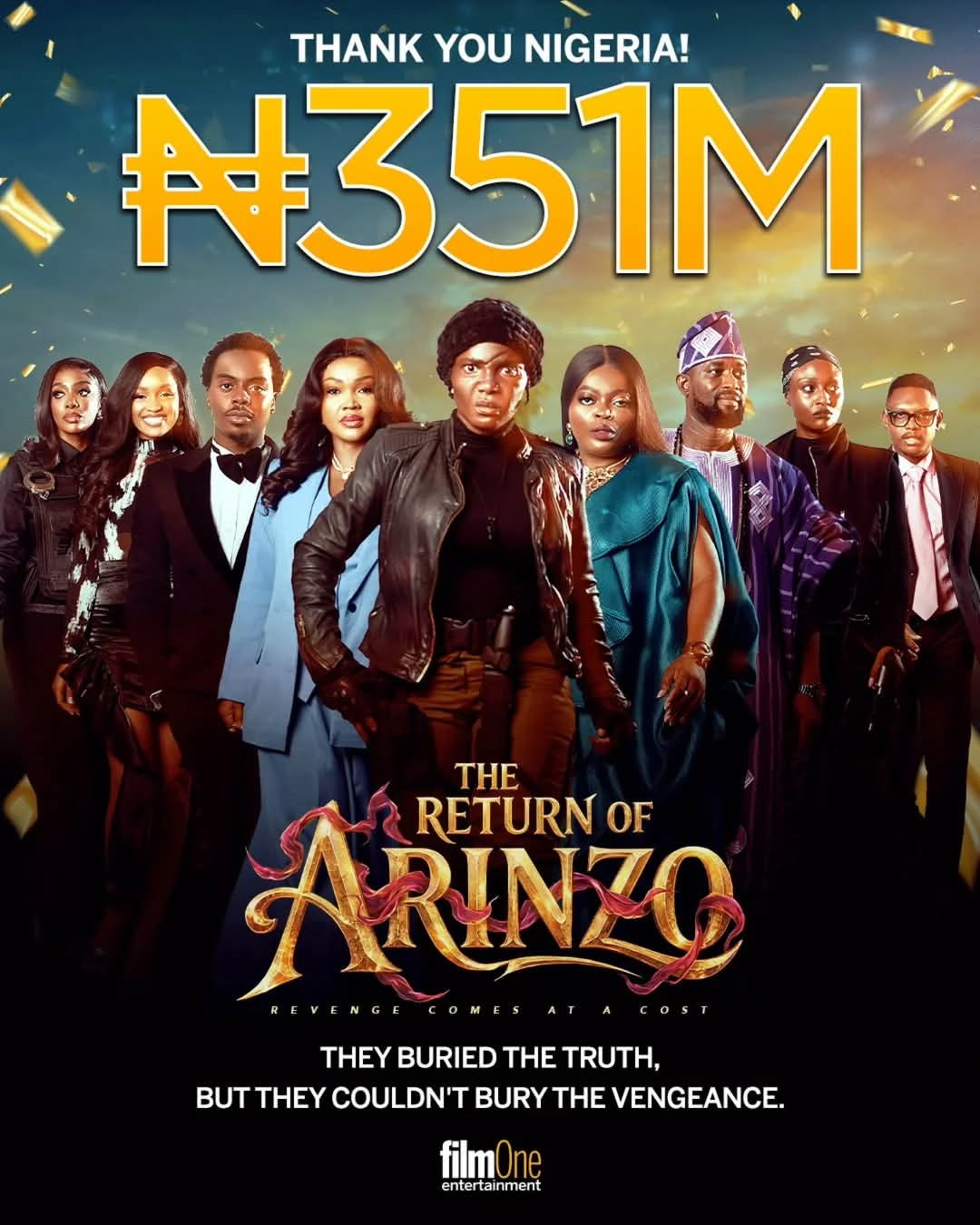
Leading the charge was The Return of Arinzo, an indigenous-language action drama that enjoyed one of the strongest theatrical openings of the year.
The film quickly established itself as the highest-grossing Nollywood release of 2026.
Sharing the Easter window were Avante, a contemporary drama starring Timini Egbuson and Genoveva Umeh; Virgin of the Throne, a faith-based historical epic; and The Other Side of the Bridge, a boxing drama featuring Tobi Bakre, Ireti Doyle and Demi Banwo.
Away from cinemas, Behind the Scenes found a new audience following its arrival on Netflix after a successful theatrical run, extending the lifespan of one of the industry’s most commercially successful productions.
May demonstrated Nollywood’s creative breadth.
The supernatural thriller, Madam Koi Koi, revisited one of Nigeria’s most enduring boarding school legends, bringing a familiar folklore figure back to the big screen with a contemporary cast led by late actor, Alexx Ekubo.
Faith-based cinema also maintained its momentum through Call of My Life, a drama exploring grief, redemption and second chances.
Anchored by performances from Zubby Michael, Beverly Osu, Nkem Owoh and Patience Ozokwor, the film joined a growing list of inspirational productions attracting mainstream audiences.
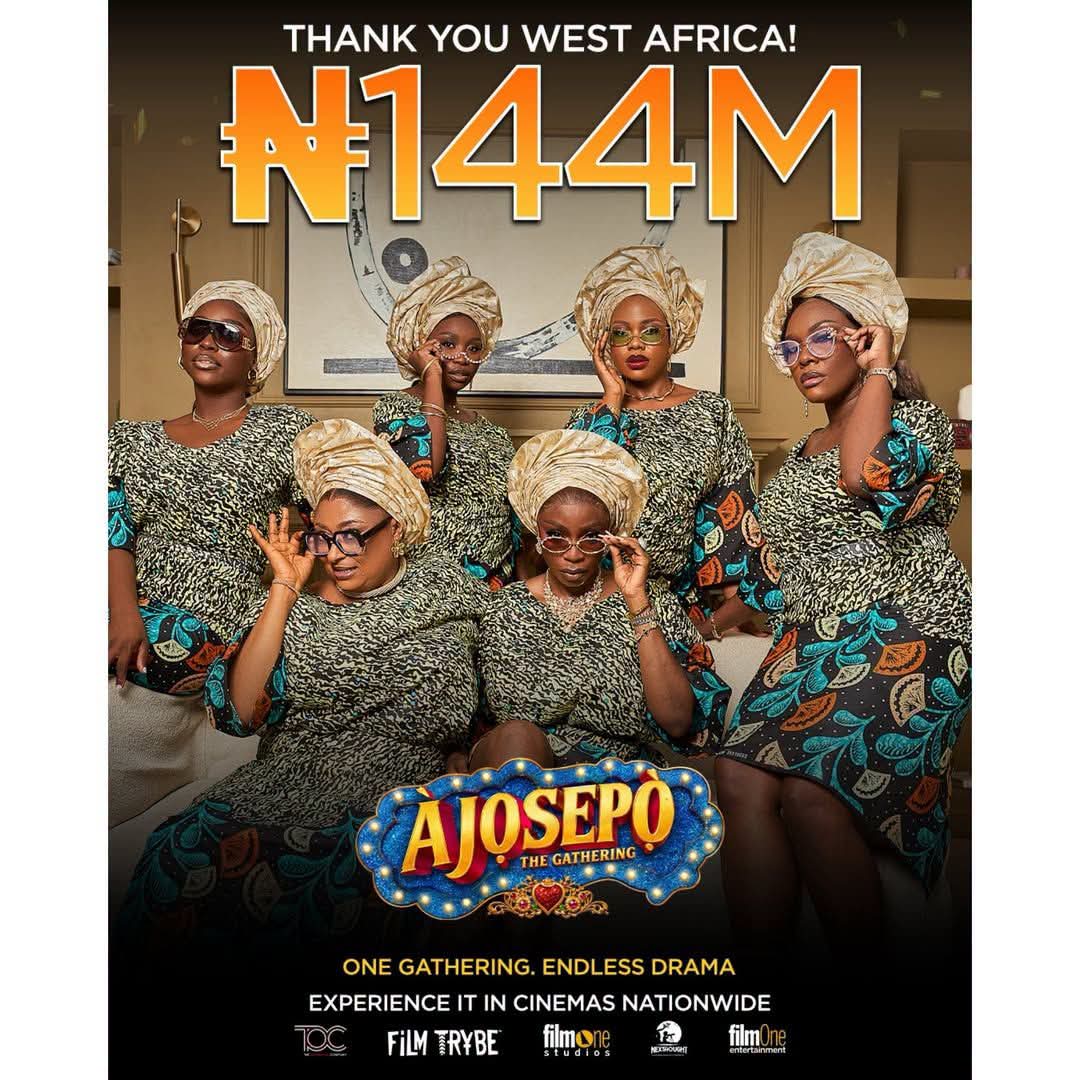
Family drama equally resonated with audiences through Ajosepo: The Gathering, directed by Kayode Kasum.
Featuring an ensemble cast that included Mercy Aigbe, Timini Egbuson, Toyin Abraham and Mike Afolarin, the wedding-centred sequel crossed the ₦100 million mark at the Nigerian box office within weeks of release.
Streaming platforms continued to shape how Nigerian films reached audiences beyond the continent.
Netflix strengthened its African catalogue during the quarter with releases including The Polygamist, while Prime Video expanded its Nigerian offering with Kalakiri:
The Price of Freedom. The latter, a historical action drama set in the pre-colonial Niger Delta, explores themes of resistance, sacrifice and the struggle for freedom, reflecting a growing appetite for indigenous historical narratives on global streaming platforms.
Together, the releases reinforced the continued investment of international streamers in Nigerian storytelling and broadened the global reach of Nollywood productions.



The biggest streaming event of the quarter, however, was Blood Sisters Season Two, which premiered globally on Netflix on June 5.
Although a television series rather than a feature film, its return generated considerable anticipation, building on the international success of the first season.
Cinema audiences rounded off the quarter with another slate of notable releases. Among them was Iwe Ala: The Book of Dreams, directed by Adeoluwa Owu.
Set against the colourful backdrop of the Ojude Oba Festival, the family drama blended fashion, heritage and intergenerational conflict while celebrating Ijebu culture.
The production also attracted attention for featuring fashion icon Farooq Oreagba alongside established Nollywood actors.
Another notable June release was Remi and Nneoma, a contemporary adaptation of the biblical story of Ruth and Naomi.
With performances by Bisola Aiyeola, Liz Benson-Ameye, Uche Montana and Tina Mba, the film continued Nollywood’s growing exploration of faith-inspired narratives through contemporary Nigerian settings.
Undoubtedly, Q2 reflected an industry increasingly comfortable balancing commercial ambition with creative diversity.
Indigenous-language epics proved their box office strength, ensemble family dramas continued to draw audiences, while faith-based and culturally rooted narratives maintained strong commercial appeal.
Also read: Q4 Reel: Nollywood Closed 2025 Strong
At the same time, Netflix’s continued acquisition and commissioning of Nigerian productions ensured that Nollywood’s reach extended far beyond domestic cinemas.


