


By Olayinka Akanbi
Berlin African Book Festival put readers at the centre of its 2026 programme, celebrating African literature, dialogue and global cultural exchange
For three days in late May 2026, Berlin became more than Germany’s political and cultural capital.
Also read: Ogun State Partners Artnovation To Showcase African Culture At Milan Design Week
It also became a meeting point for African literature, where authors, publishers, critics and readers gathered to explore the stories shaping a continent whose literary influence continues to grow beyond its borders.
Held from May 29 to 31 at the TAK – Theater Aufbau Kreuzberg, the 2026 African Book Festival, Berlin, departed from convention.
Rather than allowing organisers alone to determine its direction, the festival invited readers to help shape the programme through open calls, voting and suggestions for speakers and discussion themes.
Under the theme “Welcome to the Club,” the organisers placed audiences—not just authors—at the centre of the literary experience.
The approach reflected a growing shift in global literary festivals, where engagement increasingly extends beyond book launches and panel discussions to include active participation from reading communities.
What distinguished this year’s edition was not simply the calibre of writers on display, but the decision to hand part of the curatorial process to the public.
Festival organisers described the initiative as an effort to create a more participatory literary culture by allowing readers to influence conversations before the festival even began.
Through community voting and public submissions, audiences helped determine aspects of the programme, fostering closer interaction between writers and their readership.
The experiment also acknowledged an evolving reality within contemporary publishing: readers increasingly shape literary conversations through book clubs, digital platforms and online communities as much as critics and traditional institutions.
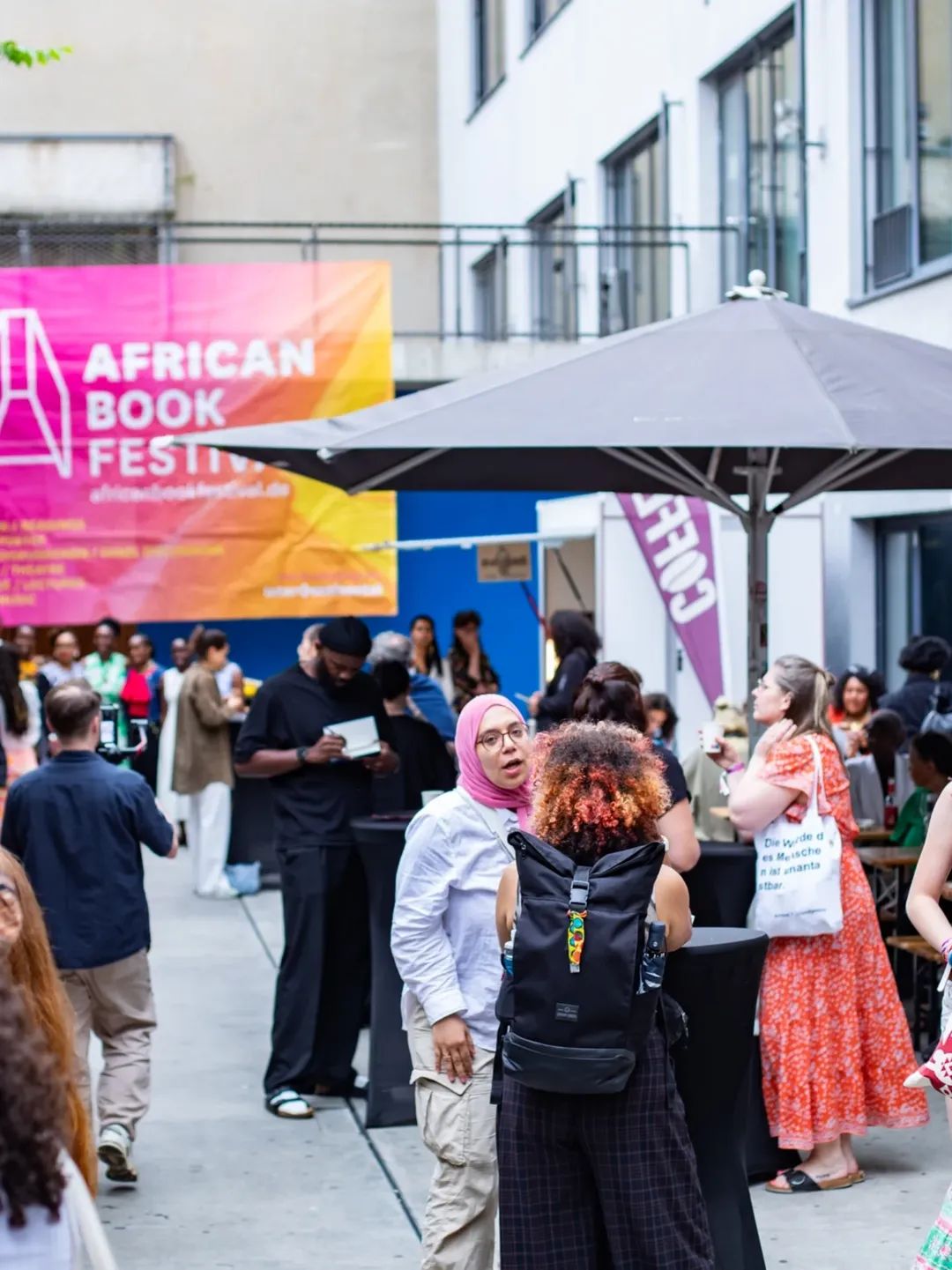
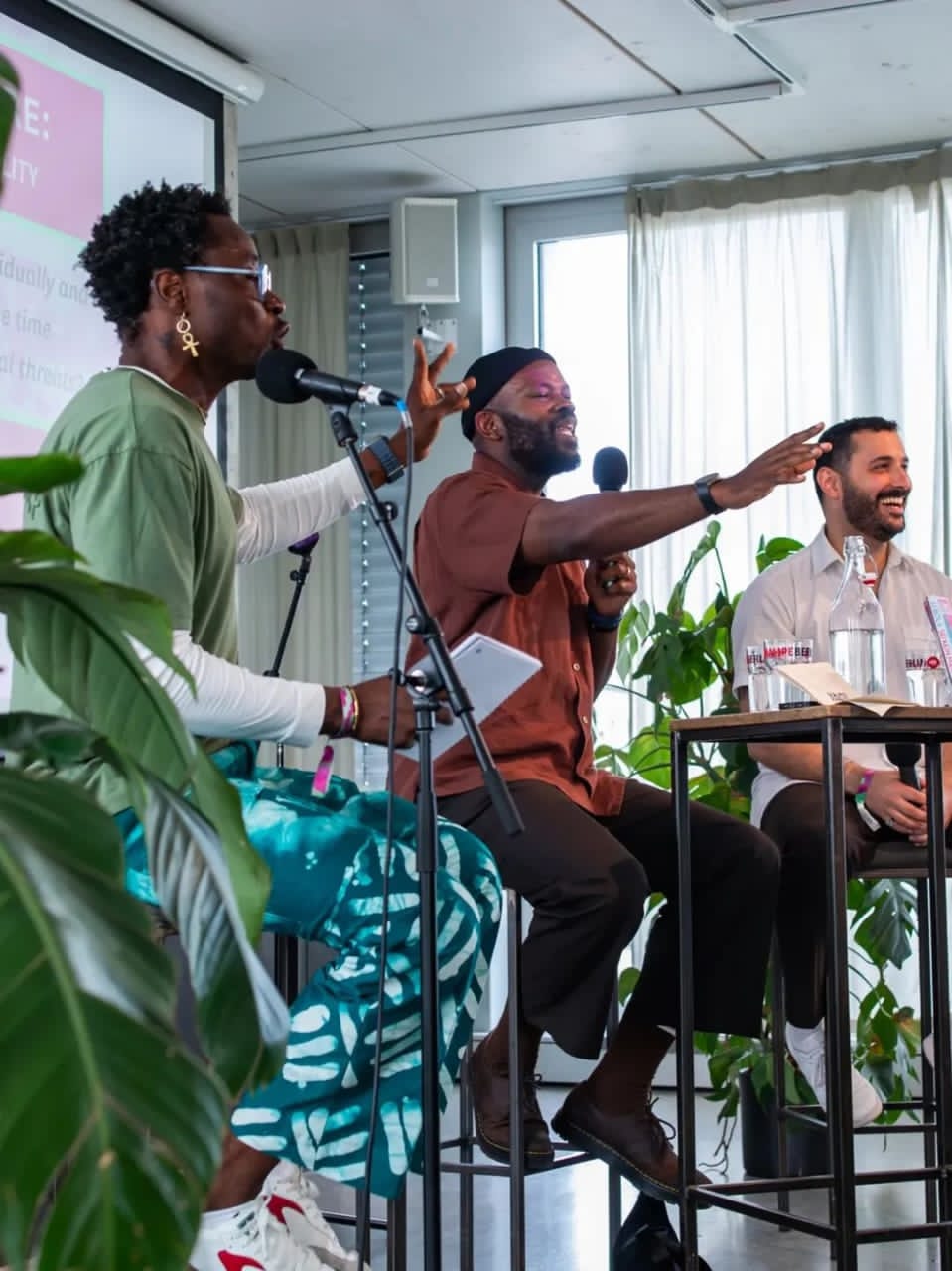
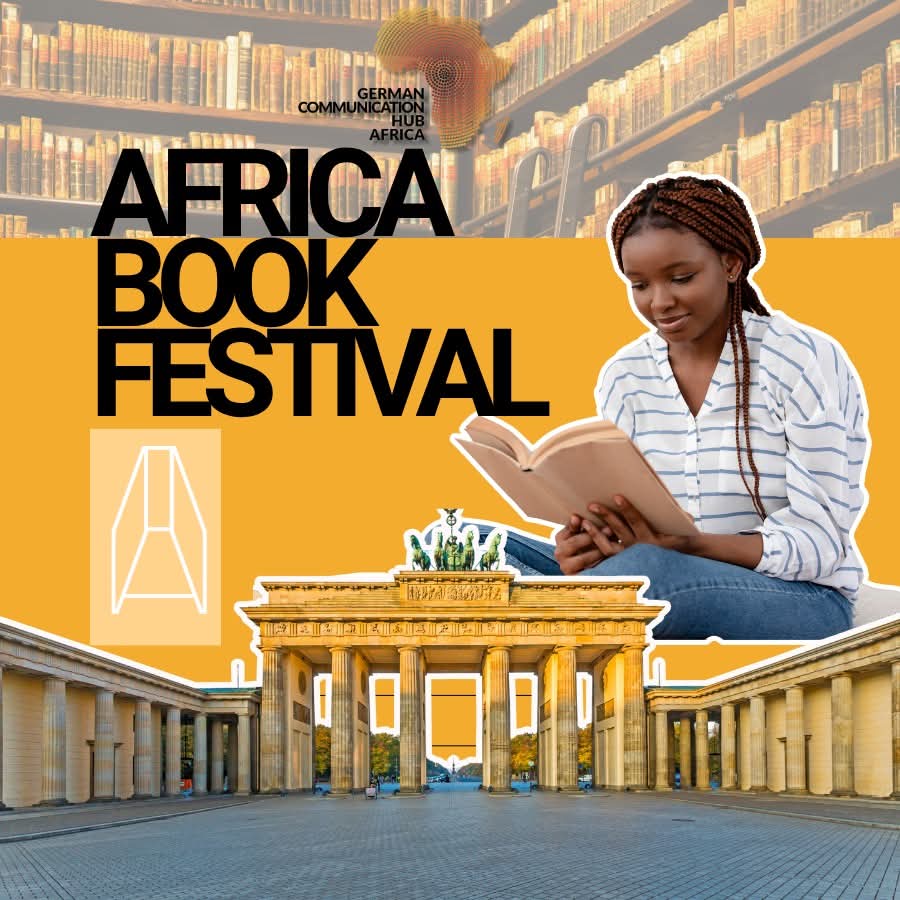
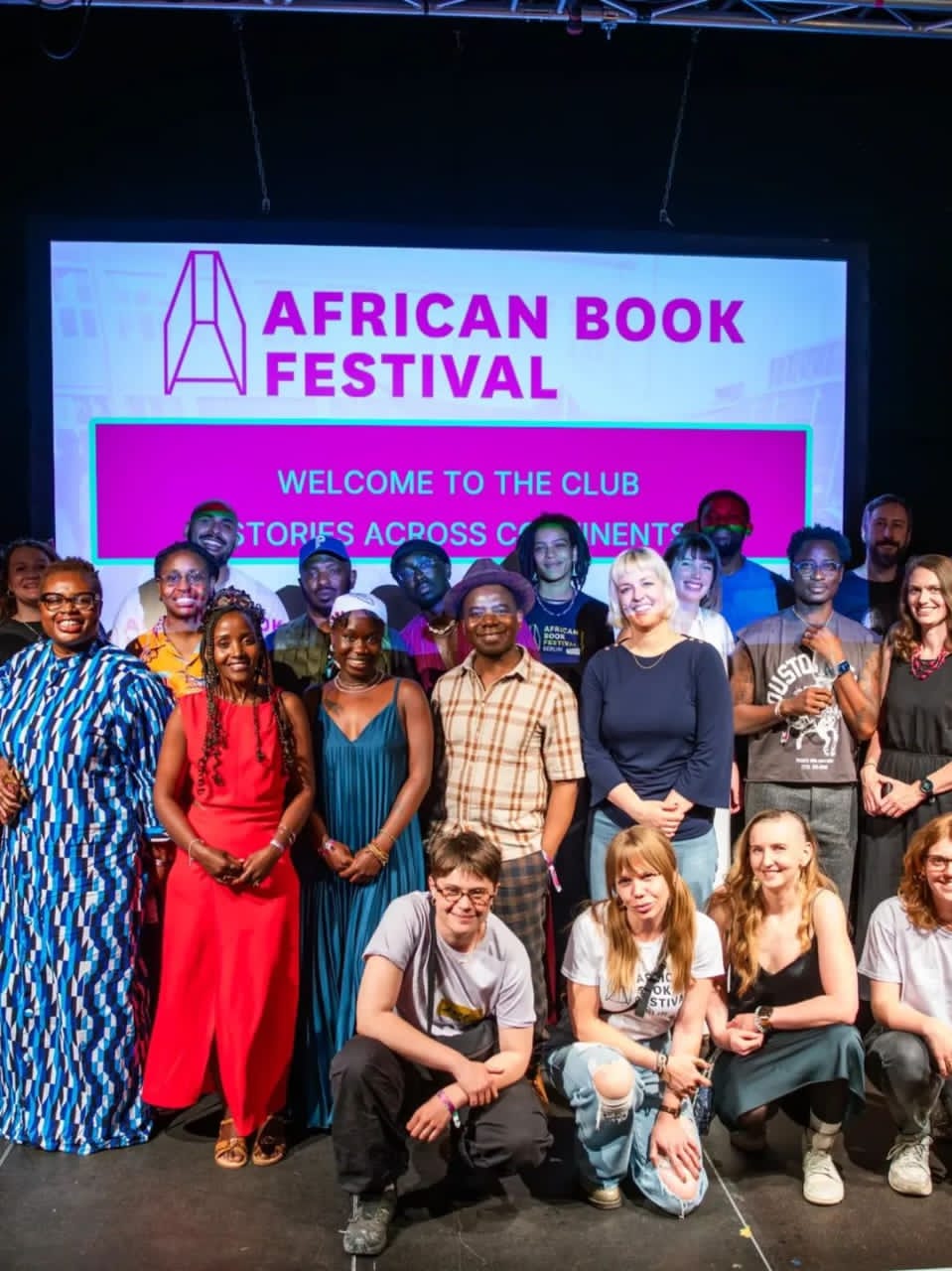
More than 20 writers, scholars and artists from Africa and the diaspora participated in the festival, representing diverse literary traditions and contemporary perspectives.
Among the featured participants were Hemley Boum, A. Igoni Barrett, Fatin Abbas, JJ Bola, Karen Jennings, Edwige-Renée Dro, Troy Onyango, Nick Makoha, Stella Gaitano, Bisi Alimi and Vamba Sherif, whose works span fiction, memoir, poetry, essays and social commentary.
Together, they explored themes ranging from migration and identity to memory, politics, belonging and the future of African publishing.
While books remained the festival’s focal point, the programme extended well beyond traditional literary readings.
Visitors attended live discussions, theatrical performances, music sessions, interviews and interactive workshops that highlighted the intersections between literature and other creative disciplines.
Market stalls featuring African fashion, crafts and food complemented the literary programme, reinforcing the festival’s broader celebration of African culture.
One of the festival’s most distinctive features was the Book Club Special, which brought together approximately 20 book clubs from various African countries alongside Berlin-based readers.
The gathering transformed reading from a solitary activity into a cross-continental conversation, underscoring the growing influence of organised reading communities in promoting African literature.
The Berlin festival arrives at a time when African literature is enjoying unprecedented international visibility as African writers continue to earn major literary honours, secure translation deals across multiple languages and attract global readerships through works that challenge conventional narratives about the continent.
At the same time, independent African publishers and literary festivals have expanded opportunities for emerging voices, creating a more interconnected literary ecosystem between Africa and its diaspora.
Events such as the African Book Festival demonstrate that interest in African literature is no longer confined to specialist audiences.
Also read: Bolanle Austen-Peters Wins Top Culture Award At Africa Soft Power Gala 2026 In Nairobi
Instead, African stories increasingly occupy mainstream cultural spaces where questions of identity, migration, history and belonging resonate across continents.


