


By Olayinka Akanbi
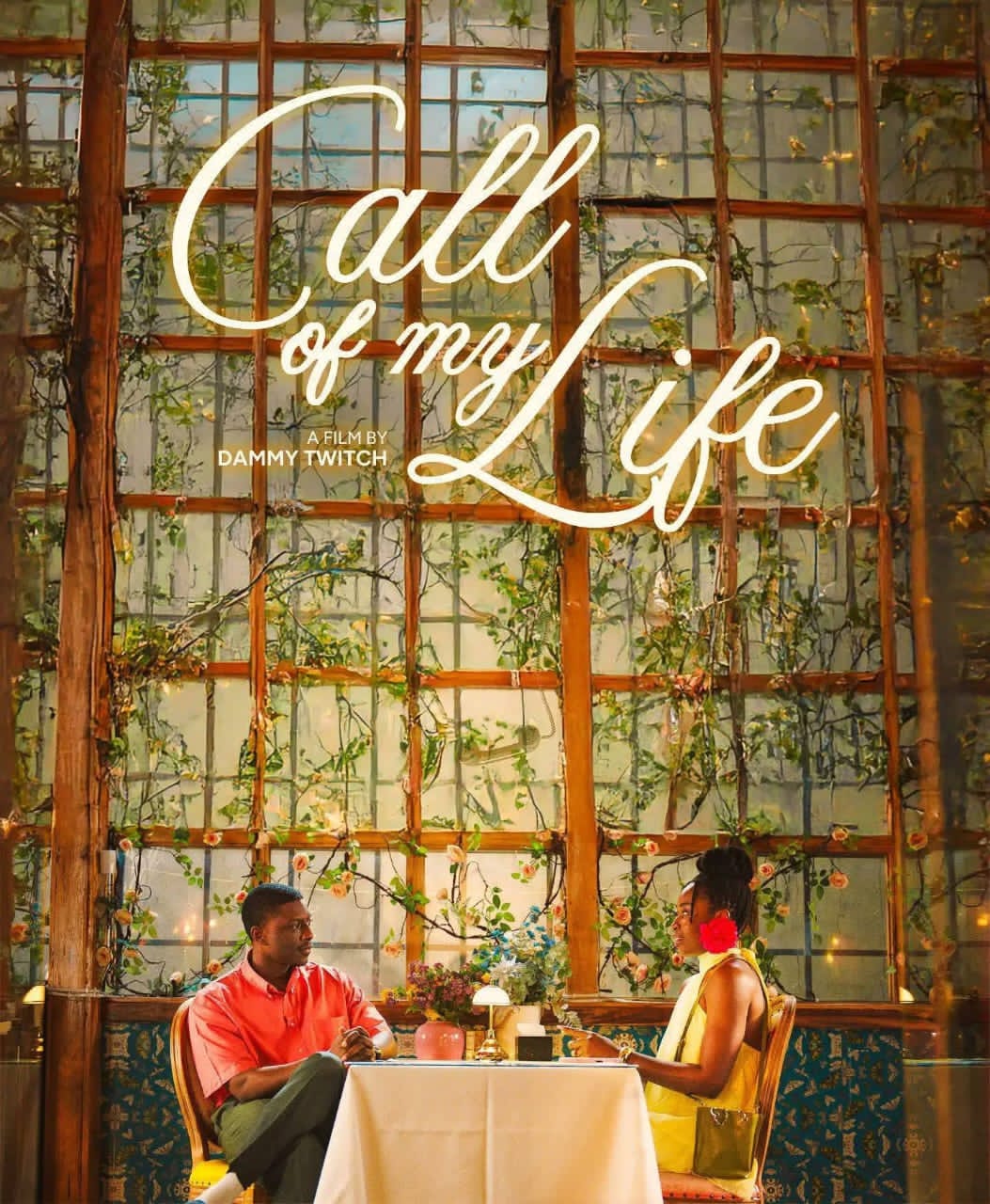
Call of My Life became Nollywood’s highest-grossing romance of 2026 after earning more than ₦524 million at the Nigerian box office
In an industry increasingly dominated by action thrillers, crime dramas and epic productions, Call of My Life has emerged as one of Nollywood’s most talked-about romantic films of 2026, drawing audiences back to stories centred on love, vulnerability and emotional healing.
Also read: Roundup: Nollywood’s Biggest Releases OF Q2
Released nationwide on May 15, 2026, the film has enjoyed a strong commercial run, grossing more than ₦524 million at the Nigerian box office after its release, making it the highest-grossing Nigerian romance of the year.
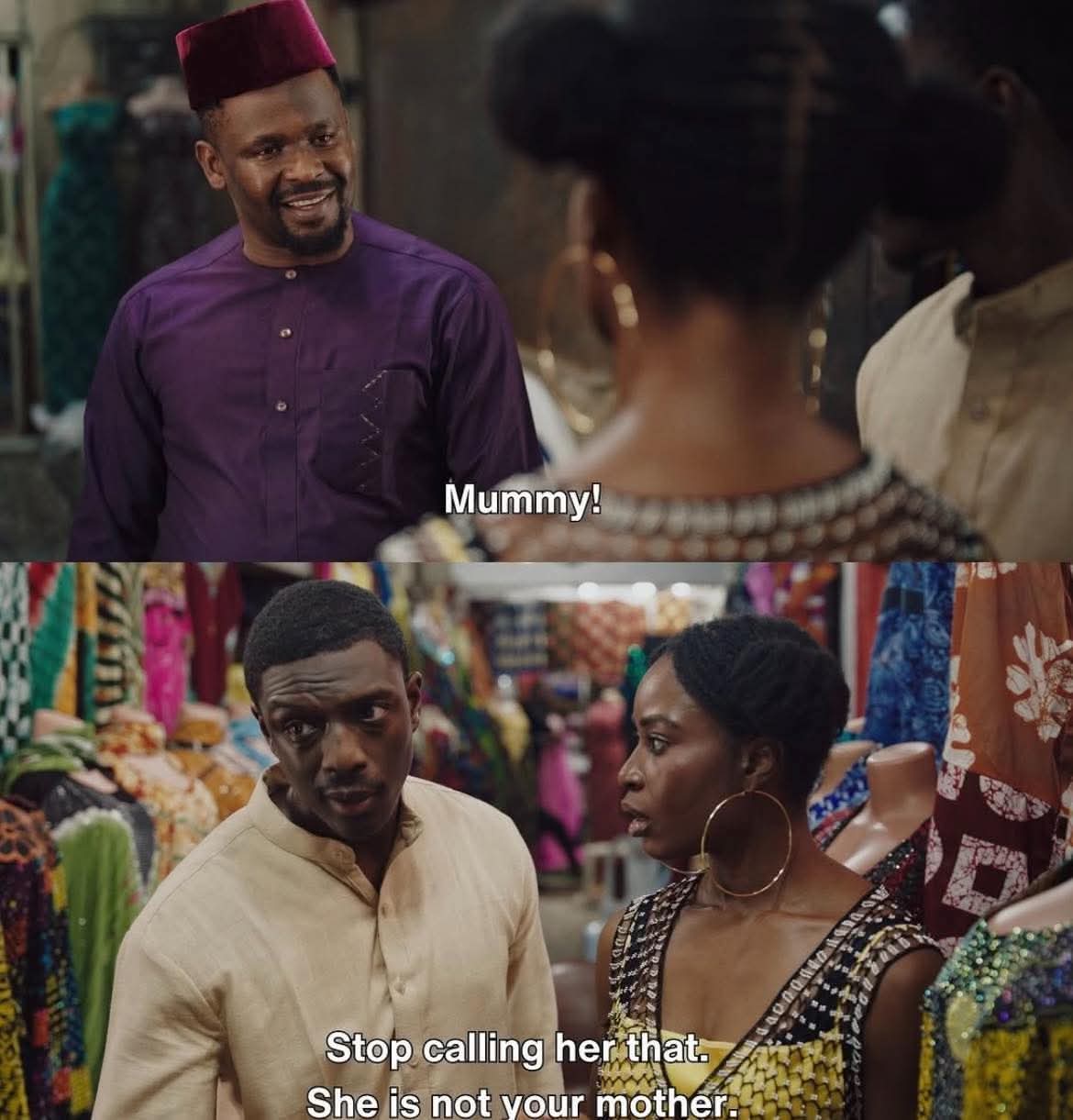
Directed by Dammy Twitch and written by Uzoamaka Power, who also plays the lead character Soluchi, the film tells the story of a young woman attempting to rebuild her life after a painful breakup.
Her journey takes an unexpected turn when an ordinary customer-service phone call introduces her to Eli, a stranger whose growing friendship gradually changes the course of her life.
The premise is simple, but the response has been significant. Since its release, Call of My Life has generated conversations across social media platforms, where viewers have debated its portrayal of modern relationships, emotional vulnerability and second chances.
Clips from the film and audience reactions have circulated widely online, extending its reach beyond cinema halls.
The film arrives at a time when romantic dramas are enjoying renewed interest in Nollywood.
Although genres such as crime, action and historical epics have dominated recent releases, romance remains one of the industry’s most enduring storytelling traditions.
Films including The Wedding Party, Isoken and A Lagos Love Story demonstrated the commercial appeal of relationship-centred narratives, and Call of My Life appears to be continuing that trend.

Beyond its commercial performance, the film has attracted attention for its exploration of emotional communication within relationships.
Rather than focusing on dramatic conflict, the story examines how misunderstandings, personal growth and emotional availability shape romantic partnerships.
The screenplay places equal emphasis on healing after heartbreak and the challenges of rebuilding trust.
That theme has resonated with many viewers.
Online discussions have highlighted scenes depicting grief, forgiveness and self-discovery, with audiences describing the film as relatable to contemporary experiences of dating and relationships in an increasingly digital society.
While interpretations vary, much of the public conversation has centred on the importance of communication and emotional honesty between partners.
The film also reflects a broader shift within Nollywood. In recent years, filmmakers have increasingly combined commercial entertainment with stories that engage everyday social realities, from mental health and family dynamics to identity and relationships.
Rather than relying solely on spectacle, these productions seek to connect with audiences through familiar experiences and emotional authenticity.
For lead actress and screenwriter Uzoamaka Power, the project represents both a creative and personal milestone, while director Dammy Twitch, known primarily for his work in music videos and commercials, continues to expand his footprint in feature filmmaking.
The film’s box office performance also reinforces the commercial value of romance within Nigeria’s cinema industry.
According to Nigerian box office data, audiences continue to support locally produced romantic dramas when they are backed by compelling, relatable storytelling, strong performances and effective publicity and distribution.
Analysts say such performances may encourage studios to invest more heavily in relationship-driven narratives alongside the action and epic genres that have recently dominated cinema releases.
Whether Call of My Life ultimately becomes one of Nollywood’s defining romance films remains to be seen.
Also read: Family, Nollywood Mourn As Actress Allwell Ademola, Dies At 49
What is clear, however, is that its success has reopened conversations about the place of romantic storytelling in Nigerian cinema and the kinds of stories audiences continue to embrace.


