


By Olayinka Akanbi
Ojude Oba 2026 honoured the late Awujale as colourful parades, horse riders and Yoruba fashion showcased Ijebu heritage to the world
By mid-morning on May 29, 2026, the streets of Ijebu-Ode in Ogun State, South-West Nigeria, had become a procession long before anyone reached the festival grounds.
Convoys edged through cheering crowds.
Also read: LASU Students Recreate Ojude Oba Festival …Dazzle In High Fashion, Culture
Tailors paused to admire garments they had spent months sewing. Children perched on shoulders for a better view.
Everywhere, the unmistakable pulse of gángan drums mixed with brass bands, praise singers and the rhythmic steps of regberege dancers.
Then came the horses!
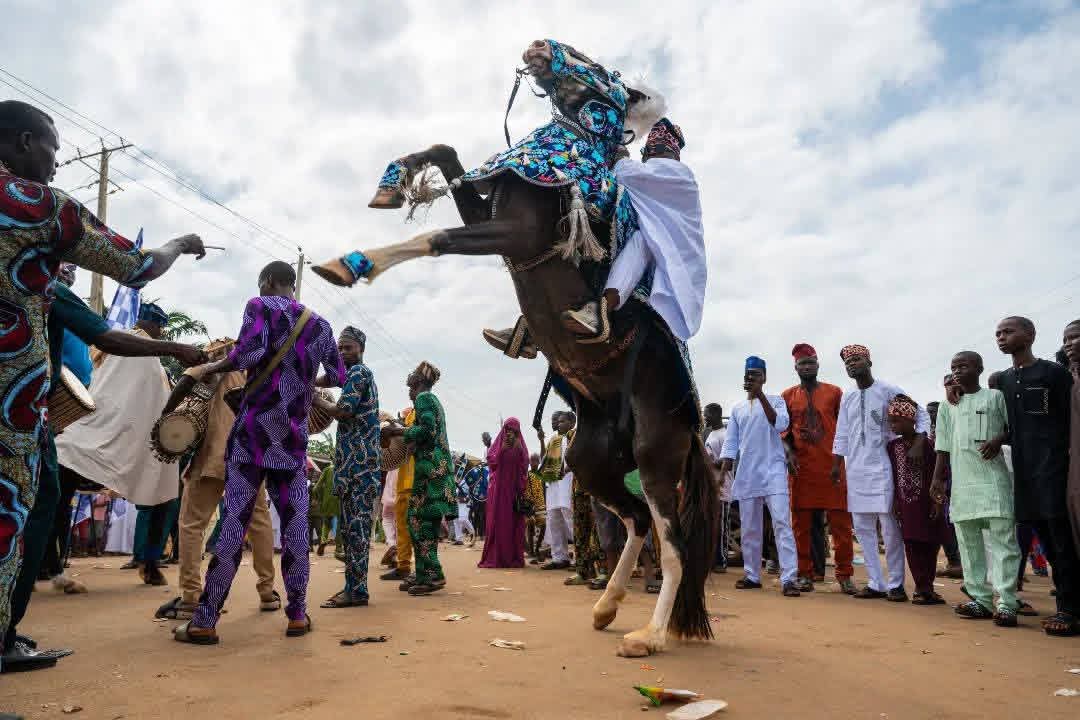
They arrived one after another, their bridles embroidered in gold and crimson, their riders upright and composed, acknowledging applause with measured confidence.
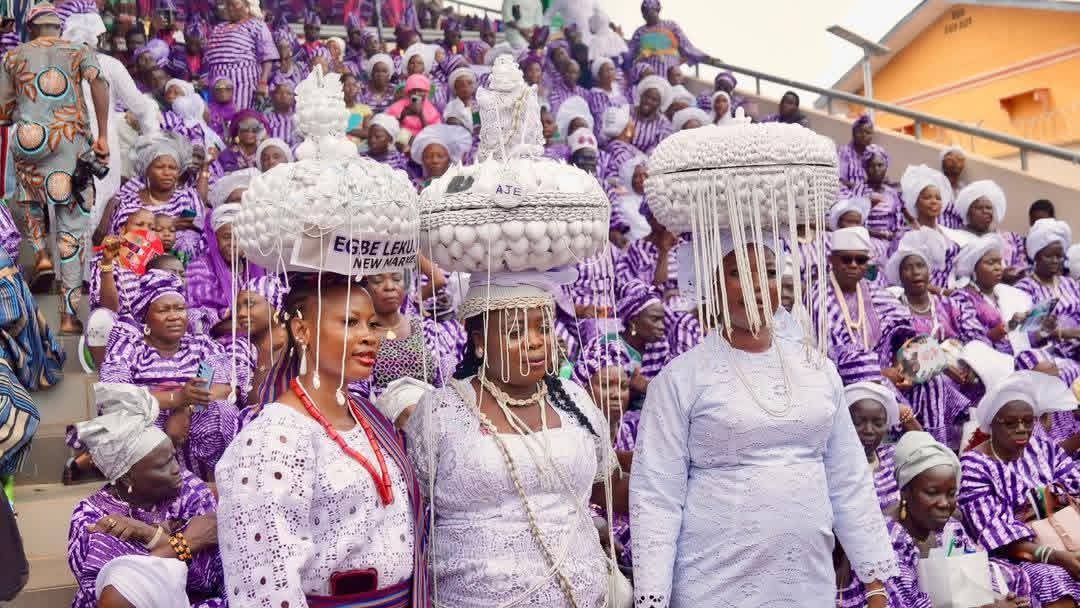
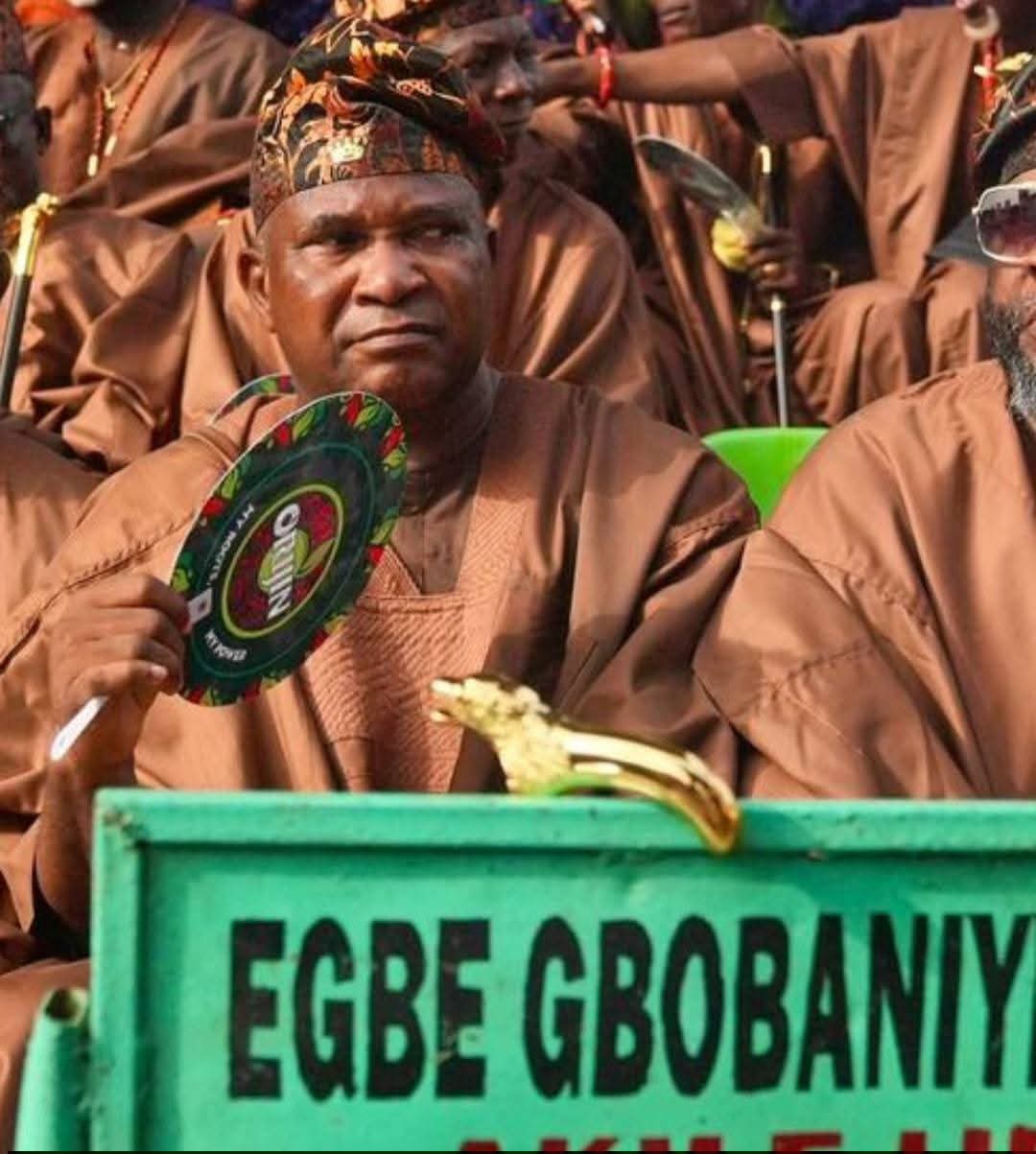
Around them, the famous regberegbe (Ijebu’s age-grade associations) swept into the arena in coordinated aso-ebi that transformed the parade ground into an open-air fashion spectacle.
This year’s Ojude Oba, however, carried a different emotional weight.
It was the first edition since the passing of the late Awujale of Ijebuland, Oba Sikiru Kayode Adetona, whose 65-year reign elevated the festival from a largely local celebration into an highly-anticipated and recognised cultural event.
The 2026 edition was dedicated to his legacy, reminding participants that while monarchs pass on, institutions endure. That continuity is perhaps Ojude Oba’s greatest achievement.
The name Ojude Oba speaks to the event’s origins. More than a century ago, early Muslim converts gathered after Eid al-Adha to pay homage to the Awujale in appreciation for religious tolerance.
Over time, that annual visit evolved into something much larger: a civic celebration embraced by Christians, Muslims and traditional worshippers alike.
Today, the festival is less about religion and more about belonging.
It is when Ijebu families return home, where old friendships are renewed, and how younger generations discover the customs their grandparents inherited.
No Ojude Oba festival is complete without the regberegbe.
The age-grade associations are the heartbeat of the festival. Months before the celebration, members begin planning fabrics, colours, jewellery and choreography.
On festival day, they arrive in disciplined formations that combine elegance with healthy rivalry.
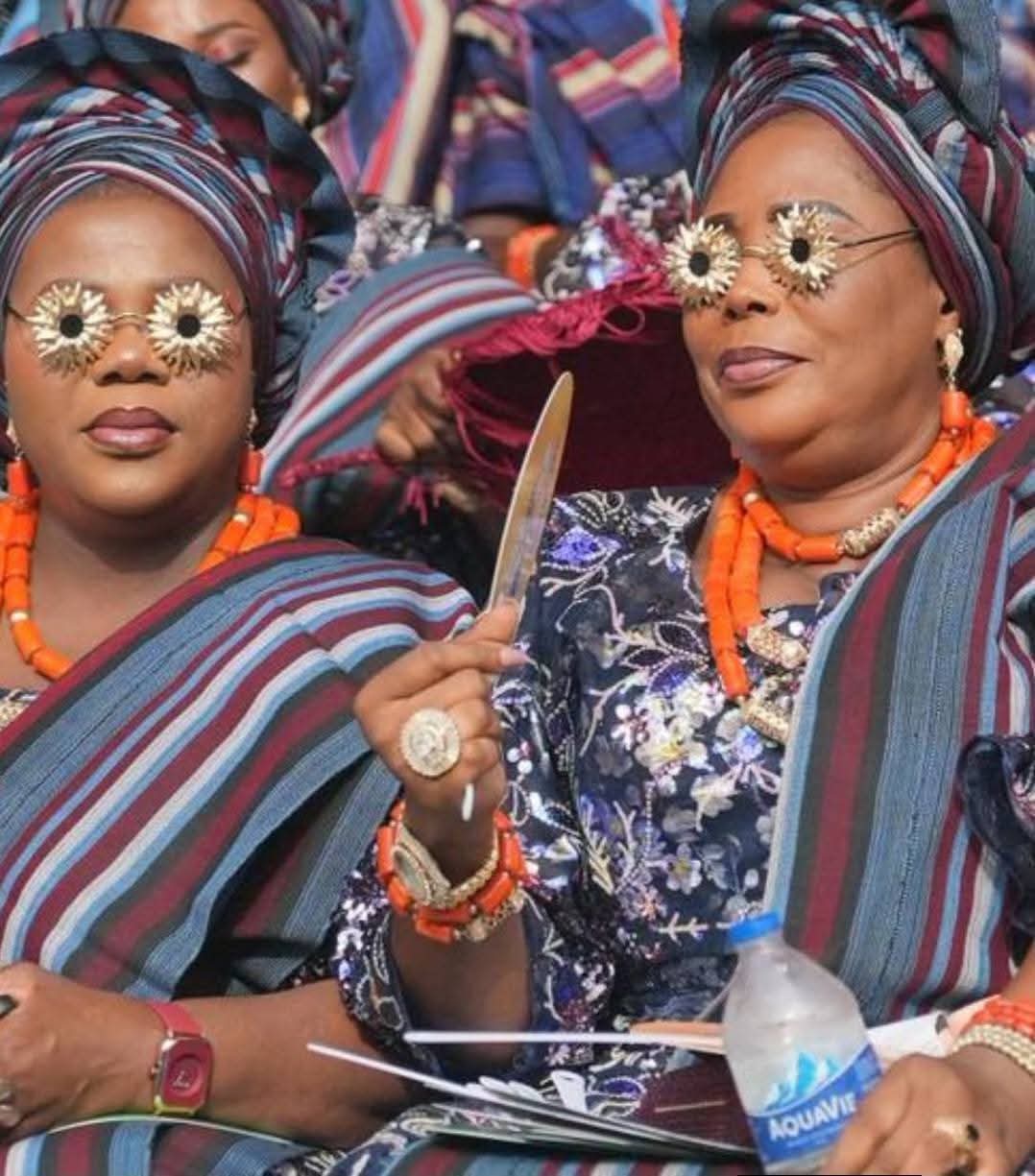
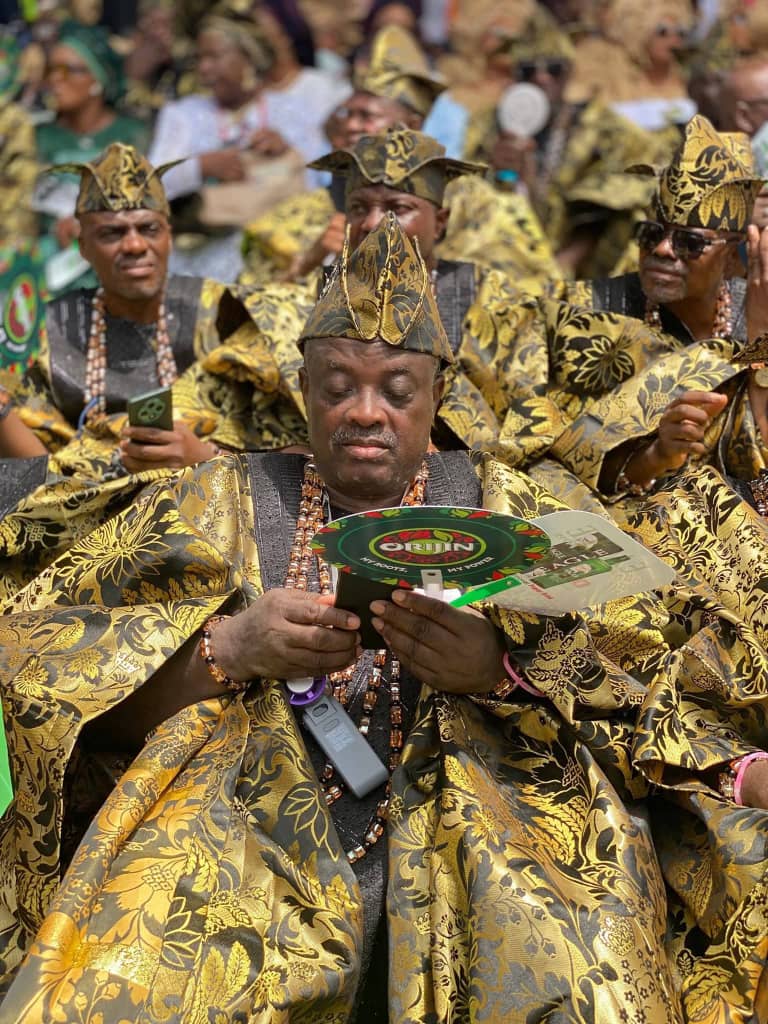
The colours are never accidental. Royal blue, emerald green, burnt orange and deep magenta announce not only fashion choices but identity.
Every coordinated outfit signals membership, shared history and collective pride.
This year, the parade ground became a mosaic of colour as each group sought to distinguish itself through impeccable tailoring and striking presentation.
This explains why Ojude Oba has earned comparisons to the Met Gala. Yet the comparison only goes so far. The Met Gala celebrates designers.
Ojude Oba celebrates communities.
Every agbada, gele, coral bead and woven aso-oke carries the weight of family history.
Then there are the horse-riding families. As descendants of historic warrior lineages entered the arena, spectators surged forward with raised phones, eager to capture one of the festival’s defining traditions.
Riders in embroidered robes guided elaborately decorated horses through the grounds while praise singers recounted family achievements stretching back generations.
It is one of the few moments during the day when the entire crowd appears to move as one, heads turning together, cameras rising together, applause erupting together.
The equestrian parade preserves memories of Ijebu military heritage through the festival.
Ojude Oba is no longer experienced only from the parade ground.
This year’s festival unfolded simultaneously online, where photographers, filmmakers and content creators broadcast every arrival, every dance and every fashion statement to audiences across the globe.
Instagram reels, TikTok videos and drone footage ensured that the celebration travelled far beyond Ogun State.
The digital attention has transformed the festival into one of Nigeria’s strongest examples of cultural soft power. It also reflects a generational shift.
Young Nigerians are not replacing tradition; they are documenting it, curating it and introducing it to new audiences.
In doing so, they have helped reposition Ojude Oba as both a heritage event and a global cultural brand.
Ojude Oba has always attracted royalty, business leaders and politicians, but in recent years, celebrities have become part of the festival’s visual identity.
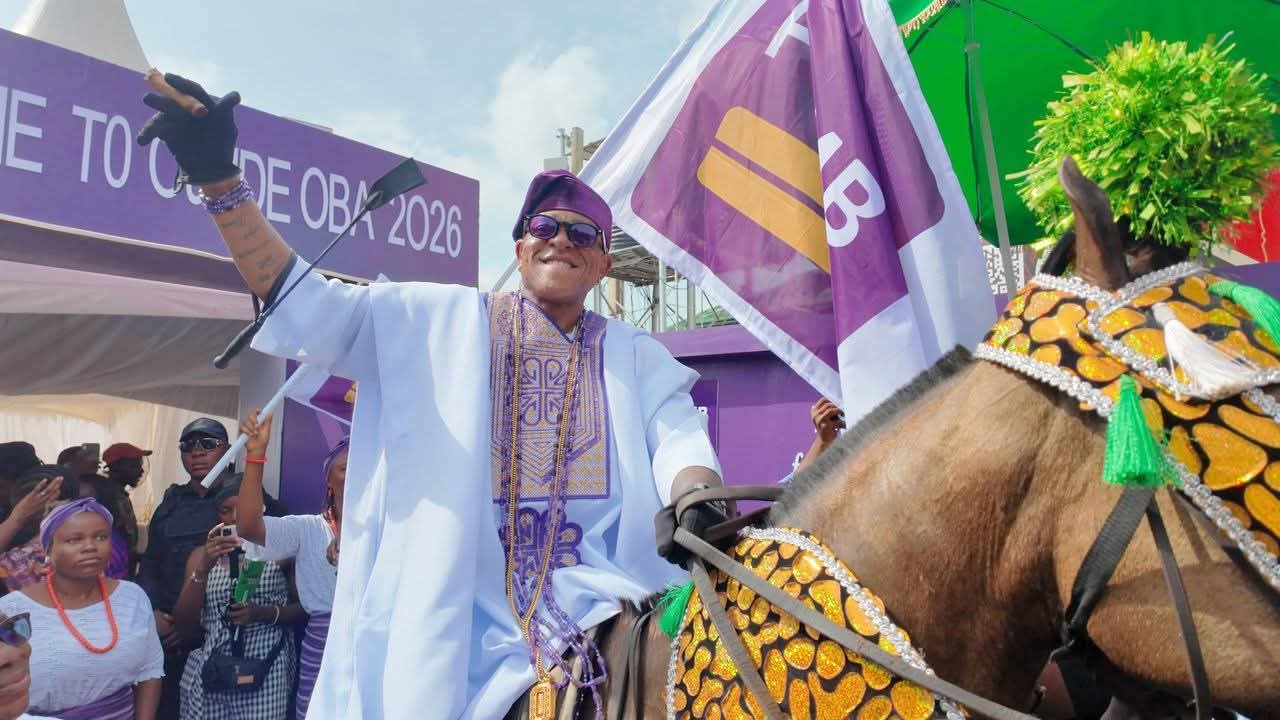
One of the most anticipated arrival was that of Farooq Oreagba, the investment executive whose unforgettable horseback entrance at the 2024 festival transformed him into a cultural phenomenon.
Returning in another meticulously styled agbada, signature sunglasses and cigar in hand, Oreagba once again rode into the arena to deafening cheers.
His appearance alongside his son, who also participated in the equestrian parade proved that he has become one of the defining faces of contemporary Ojude Oba.
Another crowd magnet was Seyi Tinubu, whose arrival drew excitement from younger attendees eager to catch a glimpse of the president’s son.
Also present were Ogun State Governor Dapo Abiodun and the Minister of Art, Culture, Tourism and the Creative Economy, Hannatu Musawa.
The red carpet, however, belonged to Nollywood and Nigeria’s fashion elite.
Actress Eniola Badmus embraced the occasion in a richly layered aso-oke ensemble that quickly became one of the day’s most shared looks online.
Actor Rotimi Salami opted for understated royal elegance, while style influencer Akin Faminu once again demonstrated why Ojude Oba has become one of Nigeria’s biggest menswear showcases.
Other personalities who drew attention included Princess Adesile, Prince Alatishe, and actress Sikiratu Sindodo, each interpreting Yoruba fashion with a contemporary twist.
In an era when many traditions struggle to remain relevant, Ojude Oba has shown tthat culture can evolve without surrendering its identity.
Also read: Burna Boy, Davido, Rema, Ayra Starr Take Centre Stage In FIFA’s Biggest Musical Project Ever
And every year, when the drums begin again and the first horse enters the arena, Ijebu-Ode reminds the world that heritage is something performed beautifully, confidently and together.


